
Do Local Communities Benefit from Gorilla Tourism?
May 31, 2026
Is Advance Accommodation Booking Necessary for Gorilla Safaris?
May 31, 2026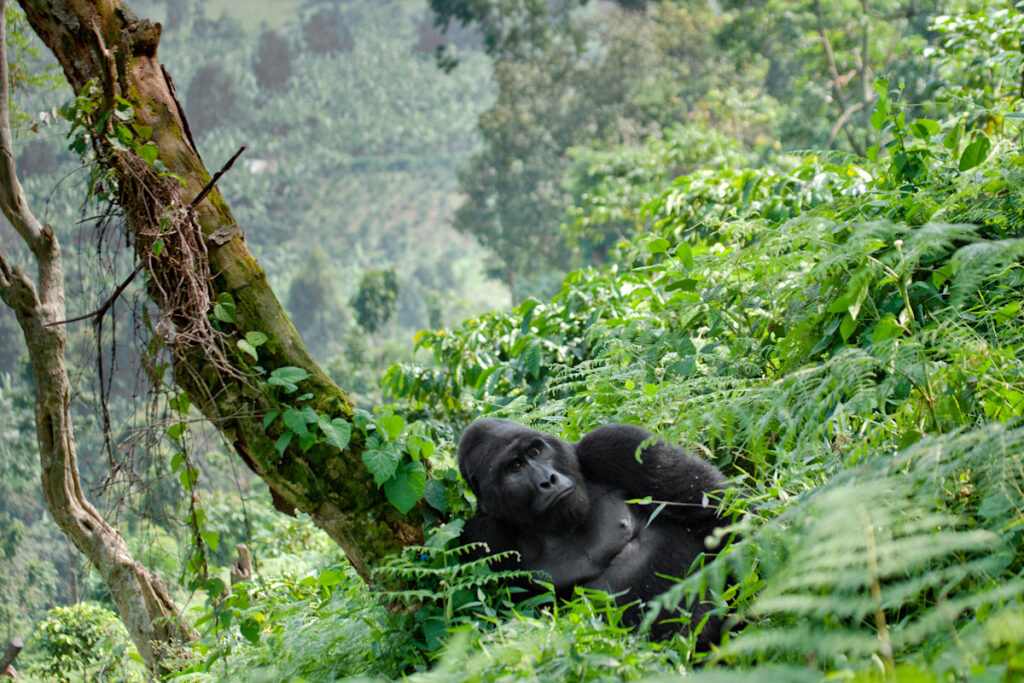
How Does Gorilla Tourism Support Conservation?
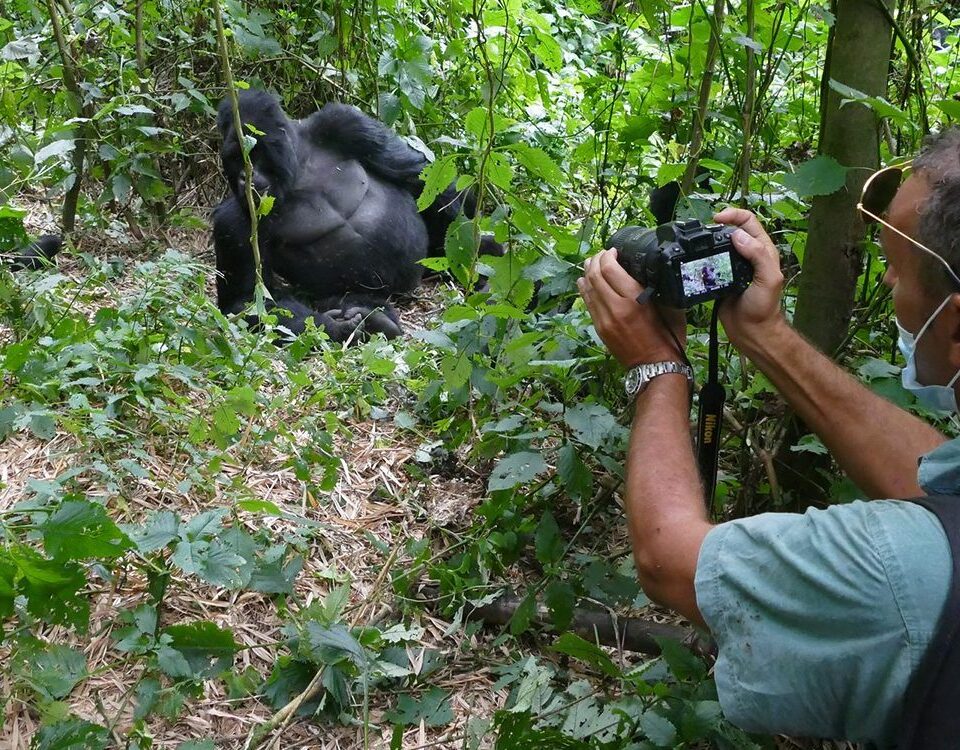
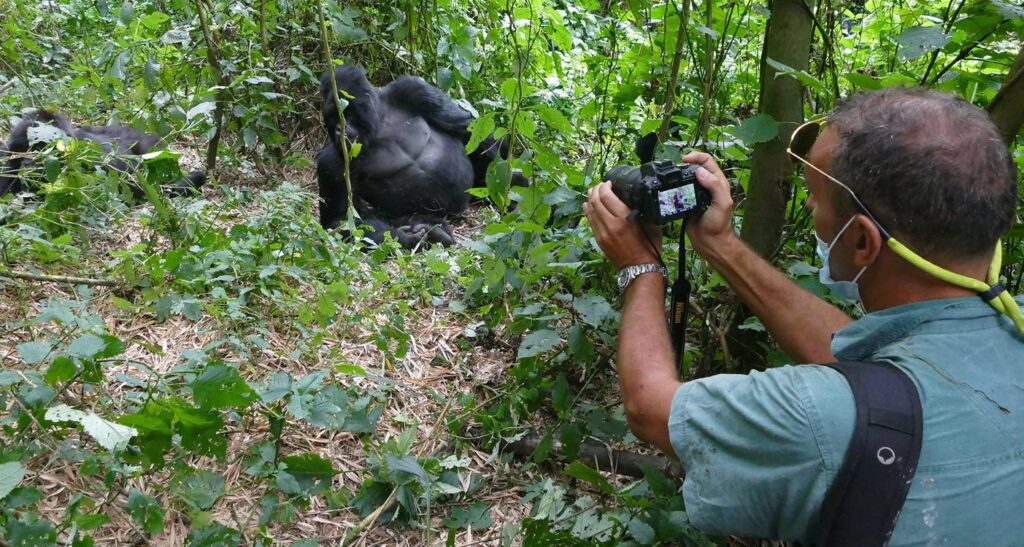
How does gorilla tourism support conservation? This question lies at the heart of one of Africa’s greatest wildlife conservation success stories. Across the mist-covered mountains of Rwanda and the ancient rainforests of Uganda, gorilla tourism has evolved into a powerful force that protects endangered mountain gorillas while creating sustainable benefits for local communities and national economies. For travelers embarking on Rwanda Safaris, Rwanda Best Safaris, Uganda Safaris, and Uganda Best Safari experiences, every gorilla trekking permit purchased contributes directly to the survival of one of the world’s rarest primates. Unlike traditional wildlife tourism models that focus solely on visitor experiences, Gorilla Safaris in East Africa are deeply connected to conservation initiatives that ensure the long-term protection of gorilla habitats.
Throughout the years, mountain gorillas have faced numerous threats, including habitat destruction, poaching, human encroachment, and disease transmission. Fortunately, carefully managed gorilla tourism has created a sustainable funding mechanism that supports wildlife protection while encouraging communities to value conservation as an economic asset. Revenue generated from Gorilla Safaris helps finance ranger patrols, veterinary programs, ecological research, habitat monitoring, conservation education, and community development projects. Consequently, tourism has transformed mountain gorillas from vulnerable wildlife populations into globally protected conservation priorities.
Moreover, visitors participating in Rwanda Safaris and Uganda Safaris become active contributors to conservation simply by choosing responsible travel experiences. Every trek supports the protection of rainforest ecosystems that sustain not only gorillas but also countless other plant and animal species. Furthermore, tourism creates international awareness about conservation challenges, encouraging global support for wildlife protection initiatives. Therefore, understanding how does gorilla tourism support conservation reveals why Gorilla Safaris have become one of the most successful examples of conservation-driven tourism anywhere in the world.
Why Is Volcanoes National Park Central to Gorilla Conservation in Rwanda?
How does gorilla tourism support conservation within Rwanda’s famous Volcanoes National Park? Located within the spectacular Virunga Mountain range, Volcanoes National Park represents one of the most important mountain gorilla conservation areas in Africa. Rwanda Safaris centered around this remarkable destination have helped transform gorilla conservation from a challenging environmental issue into a globally recognized success story. Every visitor who participates in Gorilla Safaris within Volcanoes National Park contributes directly to protecting the endangered mountain gorillas that inhabit this unique ecosystem.
Through permit fees generated by Rwanda Best Safaris, significant funding is directed toward wildlife protection efforts. Conservation authorities use this revenue to maintain ranger patrols that safeguard gorilla habitats from illegal activities while ensuring the security of both wildlife and visitors. Additionally, tourism income supports veterinary intervention programs that monitor gorilla health and respond to emergencies involving injured or sick animals. These specialized conservation services play a critical role in maintaining healthy gorilla populations within the park.
Beyond direct wildlife protection, gorilla tourism also benefits communities surrounding Volcanoes National Park. A portion of tourism revenue is invested in local development projects such as schools, healthcare facilities, water systems, and community infrastructure. As residents experience tangible benefits from conservation-focused tourism, support for protecting gorillas and their habitat continues to grow. Consequently, local communities become active conservation partners rather than competitors for natural resources.
Equally important, Rwanda Safaris create opportunities for environmental education and conservation awareness. Professional guides explain the importance of protecting gorillas, preserving biodiversity, and supporting sustainable tourism practices. This educational component strengthens the connection between visitors and conservation efforts while encouraging long-term global support. Therefore, understanding how does gorilla tourism support conservation in Volcanoes National Park highlights the powerful relationship between responsible tourism and wildlife protection.
How Does Bwindi Impenetrable National Park Benefit from Gorilla Tourism?
How does gorilla tourism support conservation in Uganda’s Bwindi Impenetrable National Park? As one of Africa’s most important mountain gorilla habitats, Bwindi serves as a cornerstone of Uganda Safaris and a leading example of conservation-driven tourism. This UNESCO World Heritage Site protects nearly half of the world’s remaining mountain gorillas, making conservation initiatives within the park critically important to the species’ survival.
Revenue generated through Gorilla Safaris in Bwindi provides essential funding for park management, anti-poaching operations, ecological monitoring, and wildlife research. Rangers conduct daily patrols throughout the forest to prevent illegal activities while safeguarding gorilla families from potential threats. These conservation efforts are largely supported by tourism income generated through Uganda Best Safari experiences.
Another significant contribution involves scientific research and population monitoring. Conservation organizations working within Bwindi use tourism-supported funding to study gorilla behavior, health, reproduction, and habitat use. This information helps conservationists develop effective management strategies that support long-term population growth. Thanks to these efforts, mountain gorilla numbers have gradually increased over the years, demonstrating the effectiveness of conservation-focused tourism.
Furthermore, Uganda Safaris create substantial employment opportunities for local communities. Residents benefit from jobs as guides, trackers, lodge staff, drivers, artisans, and conservation workers. As tourism becomes a reliable source of income, communities gain strong incentives to protect gorillas and preserve forest habitats. This community-centered approach has become a defining feature of Uganda’s conservation model.
Additionally, educational programs funded through tourism revenue help raise awareness about environmental stewardship among local populations and international visitors alike. Consequently, Bwindi Impenetrable National Park demonstrates how Gorilla Safaris can generate lasting conservation benefits while supporting sustainable economic development.
How Do Local Communities Benefit from Gorilla Tourism Conservation Programs?
How does gorilla tourism support conservation beyond protecting gorillas themselves? One of the most remarkable aspects of Rwanda Safaris and Uganda Safaris is the direct connection between conservation success and community development. Gorilla tourism creates opportunities for local residents to benefit economically from protecting wildlife rather than exploiting natural resources.
Community revenue-sharing programs distribute a portion of Gorilla Safaris income toward development initiatives that improve quality of life in villages located near protected areas. Funds support schools, health centers, clean water systems, road improvements, and vocational training programs. These investments create positive relationships between conservation authorities and local populations.
Moreover, tourism generates employment opportunities that reduce dependence on activities that may threaten gorilla habitats. Community members work as guides, porters, hospitality professionals, conservation educators, and tourism entrepreneurs. Such employment provides stable income while reinforcing the importance of environmental protection.
Another important benefit involves cultural tourism experiences that complement Rwanda Best Safaris and Uganda Best Safari itineraries. Visitors often engage with local communities through cultural performances, traditional crafts, and educational exchanges. These interactions generate additional revenue while promoting cultural preservation and cross-cultural understanding.
Consequently, community participation has become a cornerstone of successful gorilla conservation strategies. Local residents who benefit directly from tourism are more likely to support wildlife protection efforts and participate actively in conservation initiatives. Therefore, understanding how does gorilla tourism support conservation requires recognizing the vital role that communities play in ensuring the long-term survival of mountain gorillas.
When Is the Best Time for This Safari?
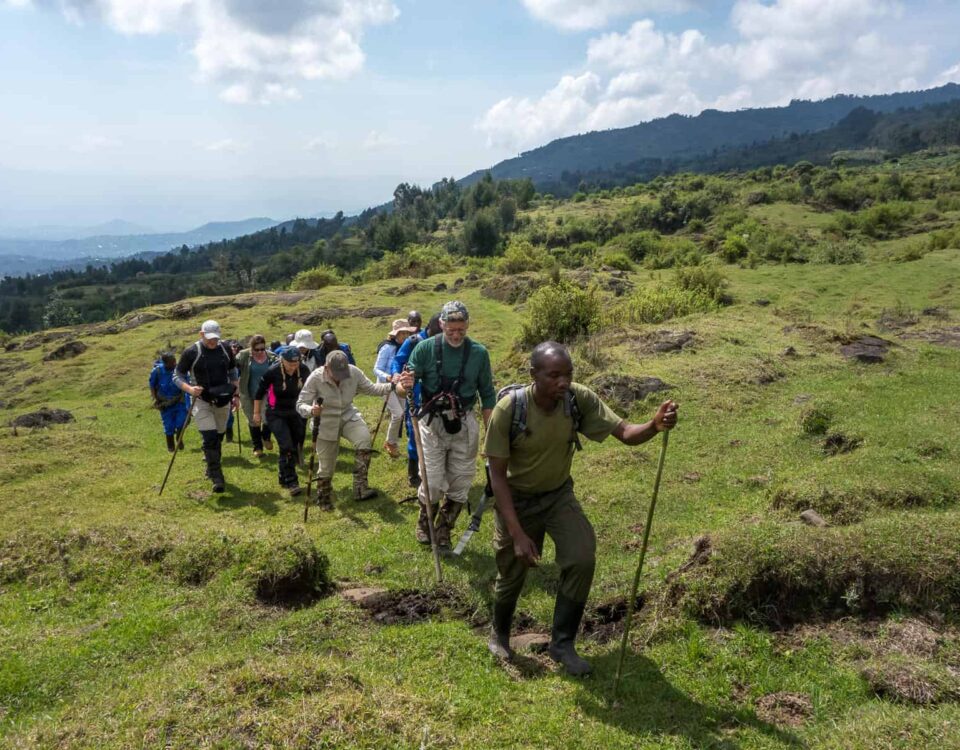
How does gorilla tourism support conservation throughout the year? Gorilla trekking operates year-round in both Rwanda Safaris and Uganda Safaris destinations because mountain gorillas remain within protected habitats regardless of season. Conservation activities continue continuously, ensuring ongoing protection for gorilla populations.
Dry seasons from June to September and December to February are generally considered the best periods for Gorilla Safaris due to more favorable trekking conditions. During these months, trails are often easier to navigate, making Rwanda Best Safaris and Uganda Best Safari experiences particularly popular.
Meanwhile, rainy seasons offer lush forest scenery, fewer visitors, and excellent photography opportunities. Regardless of travel dates, every Gorilla Safari contributes directly to conservation programs that protect mountain gorillas and their ecosystems.
Why Choose Gorilla Tours Rwanda for This Particular Safari?
How does gorilla tourism support conservation when you travel with Gorilla Tours Rwanda? At Gorilla Tours Rwanda, conservation is not simply a component of our itineraries; it is a core principle that guides every experience we create. Our Rwanda Safaris and Uganda Safaris are carefully designed to promote responsible tourism while contributing meaningfully to wildlife protection and community development.
Extensive expertise in organizing Gorilla Safaris enables our team to connect travelers with authentic conservation-focused experiences that generate positive impacts. Professional guides provide in-depth insights into gorilla behavior, conservation challenges, and environmental sustainability, transforming every journey into an educational adventure.
Strong partnerships with local communities and conservation stakeholders ensure that tourism benefits are distributed responsibly and effectively. Through these collaborations, Gorilla Tours Rwanda supports initiatives that protect gorilla habitats, strengthen community livelihoods, and encourage sustainable development.
Most importantly, our commitment to excellence, integrity, and environmental responsibility helps position Gorilla Tours Rwanda as a trusted leader in African tourism. Travelers seeking Rwanda Best Safaris and Uganda Best Safari experiences can confidently choose Gorilla Tours Rwanda knowing their journey contributes directly to answering the question: How does gorilla tourism support conservation? Through responsible travel, meaningful engagement, and unwavering dedication to sustainability, every safari becomes part of a larger mission to protect Africa’s endangered mountain gorillas for generations to come.