
Mount Kilimanjaro National Park
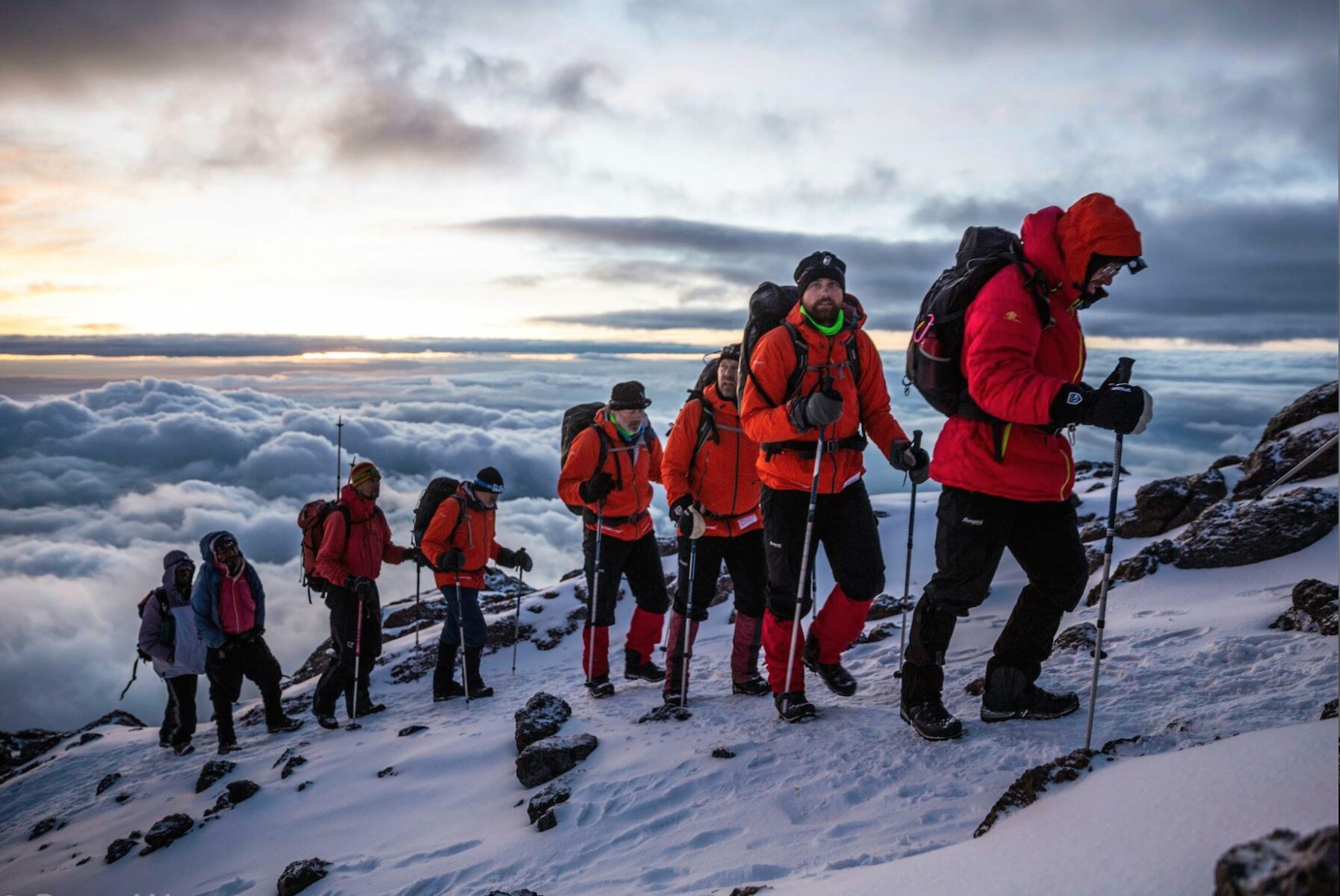
Mount Kilimanjaro National Park is one of Africa’s most iconic and awe-inspiring destinations, centered around the majestic Mount Kilimanjaro, the highest peak on the continent. Rising above the surrounding plains of northern Tanzania, this UNESCO World Heritage Site attracts adventurers, nature lovers, and global travelers seeking a once-in-a-lifetime experience. While it is globally known for mountain climbing, the park also plays a valuable role in Tanzania Wildlife Safaris, offering unique ecosystems, forest wildlife, and exceptional Birding opportunities. As part of Tanzania Safaris, Mount Kilimanjaro National Park stands out among Tanzania Best Safaris for its blend of adventure, scenery, and ecological diversity.
Mount Kilimanjaro National Park
What Is the Origin of Mount Kilimanjaro National Park?
Mount Kilimanjaro National Park was established in 1973 and later gained UNESCO World Heritage status due to its global ecological and geological importance. The park was created to protect the mountain’s fragile ecosystems, which range from cultivated foothills to alpine deserts and icy summits.
The origin of Mount Kilimanjaro itself dates back millions of years, formed through volcanic activity that created its three volcanic cones: Kibo, Mawenzi, and Shira. Over time, the mountain became a symbol of Africa’s natural beauty and a focal point for conservation efforts. Today, it remains a vital part of Tanzania Wildlife Safaris, attracting visitors who want to combine mountain exploration with broader Tanzania Safaris experiences.
Why Is Mount Kilimanjaro National Park Important for Tanzania Wildlife Safaris?
Although Mount Kilimanjaro National Park is best known for trekking, it also contributes significantly to Tanzania Wildlife Safaris through its rich biodiversity. The lower slopes are covered in dense montane forests that are home to elephants, buffaloes, colobus monkeys, and a variety of smaller wildlife species.
Unlike traditional savannah parks, Game Drives are limited here, but the park offers a different perspective of wildlife viewing through guided walks and forest exploration. This diversity makes it an important complement to classic Tanzania Best Safaris, providing a balance between adventure and nature.
Its varied ecosystems also support a wide range of bird species, making it an attractive destination for Tanzania Birding Safaris.
What Activities Can You Do in Mount Kilimanjaro National Park?
Climbing Mount Kilimanjaro is the primary activity, attracting trekkers from around the world who aim to reach the summit of Uhuru Peak. Several routes, such as Marangu, Machame, and Lemosho, offer different levels of difficulty and scenic experiences.
In addition to trekking, visitors can enjoy nature walks through forest trails, where they may encounter wildlife and learn about the park’s unique flora. Birding is a rewarding activity, especially in the lower forest zones where colorful and rare species thrive.
Cultural visits to nearby Chagga villages provide insight into local traditions, farming practices, and history, enriching Tanzania Safaris with a human connection.
What Wildlife and Landscapes Can You See in Mount Kilimanjaro?
Mount Kilimanjaro National Park features a remarkable range of landscapes, from lush rainforests and heath zones to alpine deserts and snow-capped peaks. This vertical diversity creates a visually stunning environment unlike any other in Tanzania Wildlife Safaris.
Wildlife is most commonly found in the lower forest regions, where visitors may spot elephants, buffaloes, blue monkeys, and black-and-white colobus monkeys. The park is also rich in birdlife, with species such as turacos, hornbills, and sunbirds commonly seen.
The highlight, however, is the mountain itself, whose towering presence dominates the landscape and provides breathtaking views at every stage of the journey.
When Is the Best Time to Visit Mount Kilimanjaro for Tanzania Best Safaris?
The best time to visit Mount Kilimanjaro National Park is during the dry seasons from January to March and June to October. These periods offer clearer skies, better trekking conditions, and more reliable weather for summit attempts.
The wet seasons from April to May and November can make trails slippery and challenging, although the landscape becomes lush and vibrant. Birding is particularly rewarding during these months due to increased activity and migratory species.
Choosing the right time ensures a more enjoyable and successful Tanzania Safaris experience on Mount Kilimanjaro.
What Should You Pack for a Mount Kilimanjaro Safari?
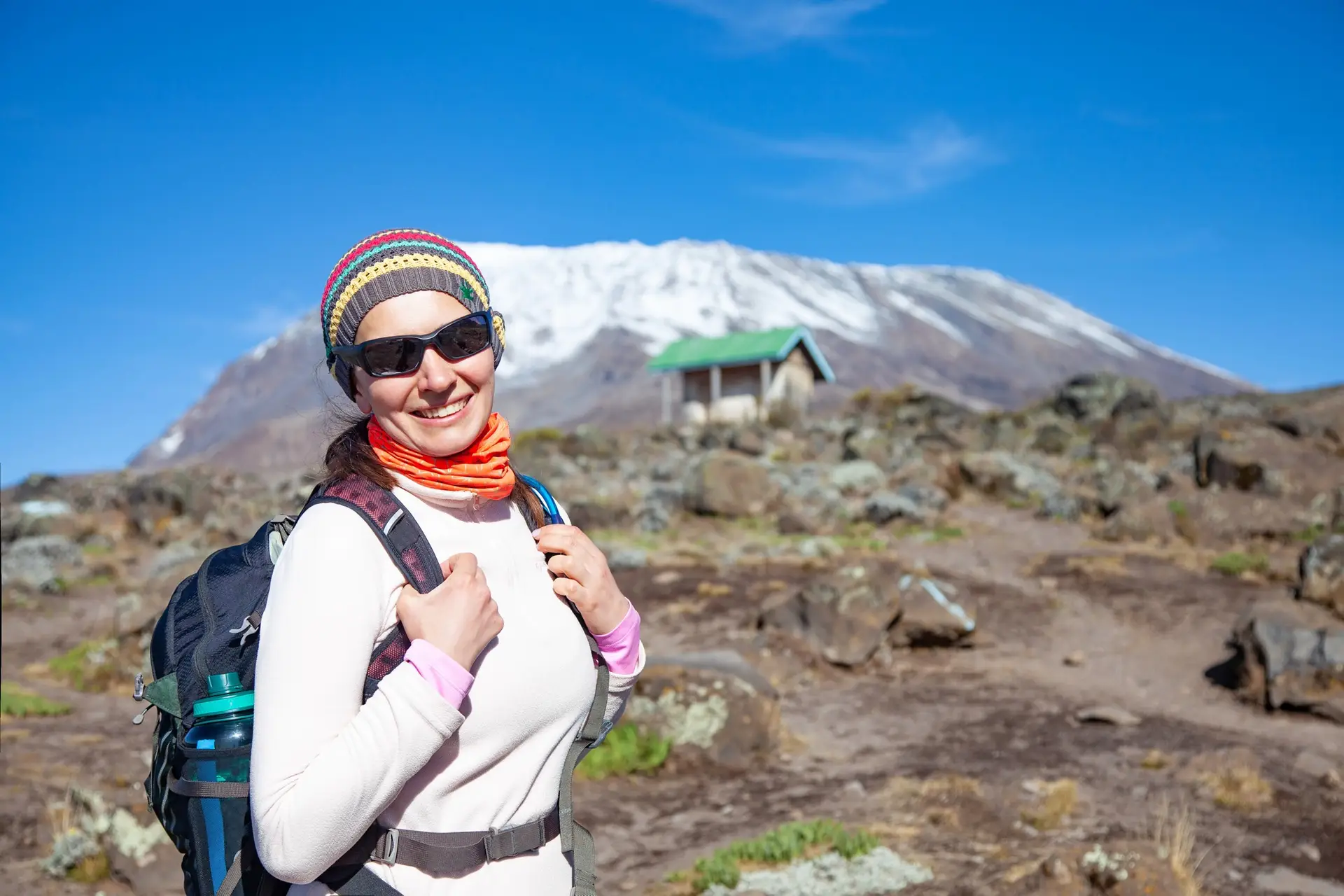
Packing for Mount Kilimanjaro requires careful preparation due to changing temperatures across different altitudes. Layered clothing is essential, including moisture-wicking base layers, warm jackets, and waterproof outerwear.
Sturdy hiking boots are crucial for trekking, while gloves, hats, and thermal wear are necessary for cold conditions near the summit. For lower , lightweight clothing is suitable for warmer temperatures.
Binoculars are useful for Birding, and a camera is essential for capturing the mountain’s dramatic landscapes. Other essentials include sunscreen, sunglasses, a reusable water bottle, energy snacks, and a backpack.
 Where Can You Stay in Mount Kilimanjaro National Park?
Accommodation options around Mount Kilimanjaro include lodges, hotels, and guesthouses located in nearby towns such as Moshi and Arusha. These provide comfortable bases before and after trekking.
During the climb, trekkers stay in mountain huts or tented camps depending on the chosen route. Luxury lodges in the surrounding offer premium services, scenic views, and relaxation after the adventure.
These options cater to different budgets, making the park accessible for various Tanzania Safaris travelers.
Why Choose Gorilla Tours Rwanda for Your Safari?
Gorilla Tours Rwanda offers expertly organized Tanzania Safaris that combine Mount Kilimanjaro trekking with wildlife experiences across the country. Their experienced guides provide professional support, ensuring safety and success during climbs.
With personalized itineraries, Gorilla Tours Rwanda tailors each journey to match individual goals, whether it’s reaching the summit or exploring surrounding . Their attention to detail ensures smooth logistics and a memorable experience.
They also emphasize responsible tourism, supporting conservation and local communities while delivering high-quality Tanzania Wildlife Safaris.
How Does Mount Kilimanjaro National Park Support Conservation?
Mount Kilimanjaro National Park plays a vital role in protecting diverse ecosystems and water that support surrounding communities. Conservation efforts focus on preserving forests, wildlife habitats, and the mountain’s balance.
Tourism revenue contributes to park management, environmental protection, and community development projects. The park’s UNESCO status highlights its importance in global conservation.
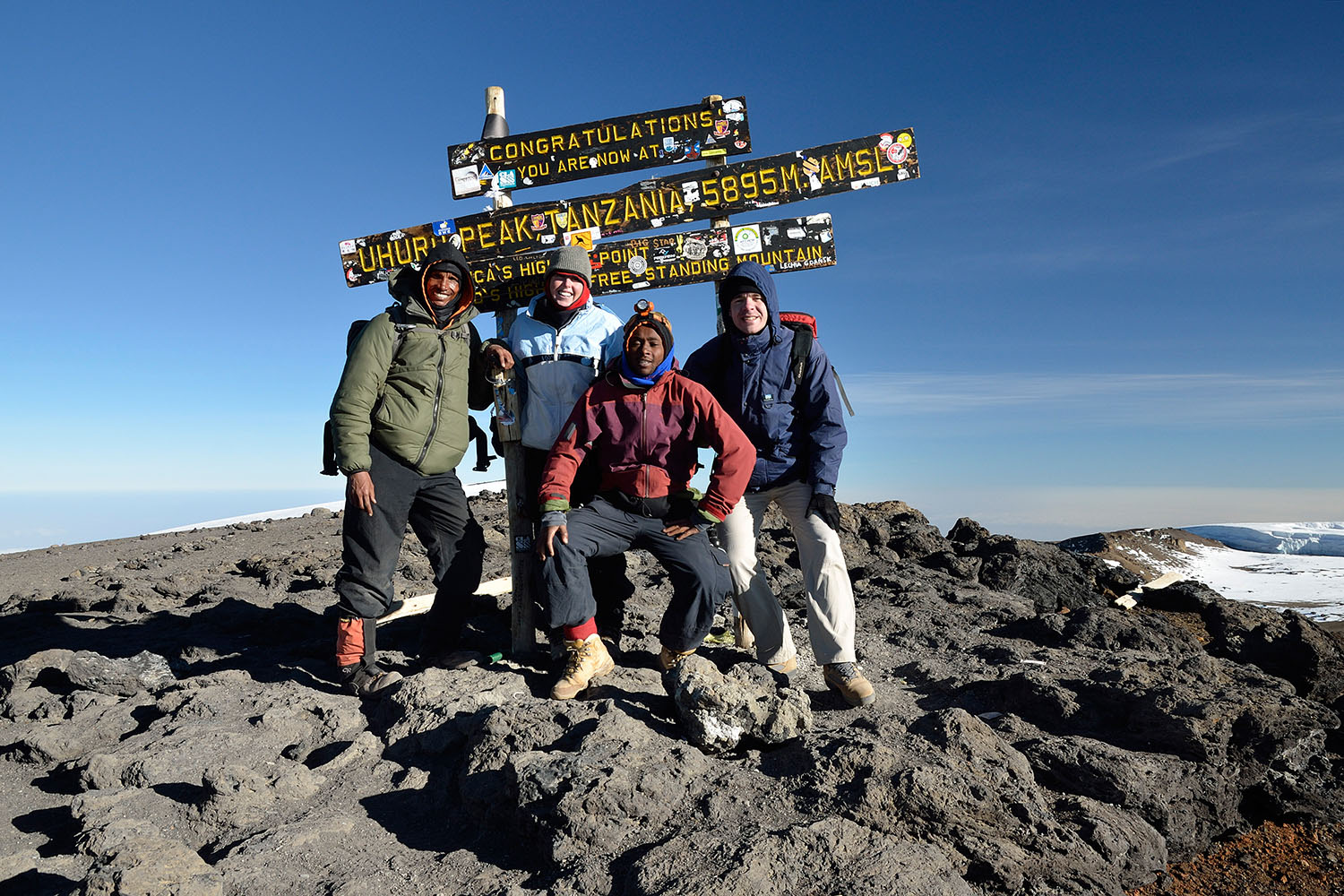
Kilimandjaro – mai, juin 2011
Why Should Mount Kilimanjaro National Park Be Part of Your Travel Plans?
Mount Kilimanjaro National Park offers a unique blend of adventure, beauty, and cultural richness, making it an essential destination for Tanzania Wildlife Safaris. Its iconic peak, diverse landscapes, and rewarding activities create an unforgettable experience.
From challenging treks to peaceful Birding and scenic exploration, the park provides something for every traveler. As part of Tanzania Best Safaris, it combines excitement, learning, and inspiration.
With expert guidance from Gorilla Tours Rwanda, your journey to Mount Kilimanjaro becomes a life-changing adventure, showcasing the very best of Tanzania Safaris and Africa’s natural wonders.