
Mahale National Park
Mahale National Park is one of Tanzania’s most remote and extraordinary wildlife destinations, offering a rare and deeply immersive safari experience far from the typical tourist routes. Located on the western shores of Lake Tanganyika, this untouched wilderness is defined by forested mountains, crystal-clear waters, and thriving primate populations. Unlike traditional savannah parks, Mahale focuses on intimate encounters with nature, especially through Chimpanzee Tracking, making it a standout destination for Tanzania Wildlife Safaris. Its exclusivity and raw beauty position it among Tanzania Best Safaris, appealing to travelers who seek unique and meaningful Tanzania Safaris beyond the ordinary. Alongside primate experiences, visitors can also enjoy Birding, scenic exploration, and limited Game Drives in surrounding areas, creating a diverse and unforgettable journey.
 What Is the Origin of Mahale National Park?
Mahale National Park was established in 1985 to protect the rich biodiversity of the Mahale Mountains and the unique chimpanzee populations that inhabit the region. Before its designation as a national park, the area was home to indigenous communities who lived in harmony with the forest and lake environment.
The park was created not only to conserve wildlife but also to support long-term research on chimpanzees, which had already been studied in the region for decades. Over time, Mahale has become one of the most important sites in Africa for primate conservation and research. Its remote location has helped preserve its natural ecosystems, making it an essential part of Tanzania Wildlife Safaris focused on conservation and ecological authenticity.
Why Is Mahale National Park Unique for Tanzania Wildlife Safaris?
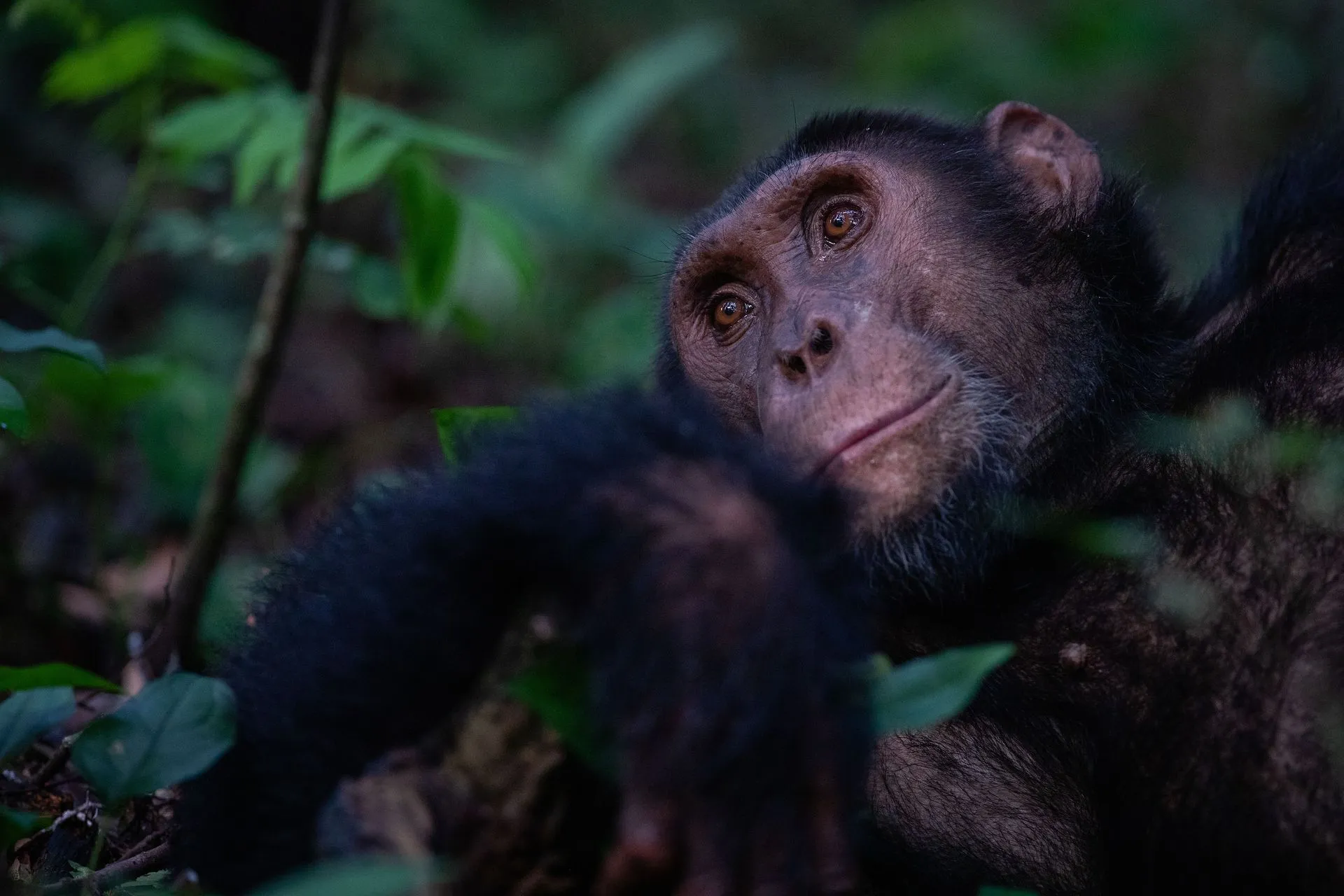
Mahale stands apart from other destinations due to its emphasis on primate experiences rather than traditional savannah wildlife viewing. The park is home to one of the largest populations of wild chimpanzees in Africa, offering visitors a rare opportunity for close and respectful Chimpanzee Tracking in their natural habitat.
The absence of roads within much of the park means that Game Drives are not the primary activity, creating a more immersive and eco-friendly safari experience. Visitors explore the park on foot or by boat, which adds a sense of adventure and connection to nature. This uniqueness makes Mahale one of the most exclusive Tanzania Best Safaris destinations, ideal for travelers seeking something truly different.
What Activities Can You Do in Mahale National Park?
Chimpanzee Tracking is the highlight of any visit to Mahale National Park. Guided by experienced trackers, visitors hike through forest trails in search of chimpanzee groups, observing their behavior, social interactions, and daily routines.
Birding is another rewarding activity, with the park hosting a wide variety of forest and lakeshore bird species. The diversity of habitats supports both resident and migratory birds, making Mahale a hidden gem for Tanzania Birding Safaris.
Visitors can also enjoy kayaking or boat rides on Lake Tanganyika, swimming in its clear waters, and relaxing along its pristine beaches. Forest hikes, photography, and nature walks provide additional opportunities to explore the park’s unique environment.
What Wildlife and Landscapes Can You See in Mahale?
Mahale National Park is characterized by lush tropical forests, steep mountain slopes, and the vast expanse of Lake Tanganyika. The Mahale Mountains create a dramatic backdrop, while the lake adds a tranquil and scenic dimension to the safari experience.
In addition to chimpanzees, the park is home to other primates such as red colobus monkeys, vervet monkeys, and baboons. Small antelopes, bush pigs, and a variety of reptiles also inhabit the area. While large predators are less commonly seen, the focus on primates and biodiversity makes Mahale a unique destination for Tanzania Wildlife Safaris.
The combination of forest, mountains, and water creates a visually stunning environment that is unlike any other safari destination in Tanzania Safaris.
When Is the Best Time to Visit Mahale National Park for Tanzania Best Safaris?
The best time to visit Mahale National Park is during the dry season from June to October, when forest trails are easier to navigate and chimpanzees are more accessible at lower altitudes. This period is ideal for Chimpanzee Tracking and outdoor activities.
The wet season from November to May brings lush greenery and excellent Birding opportunities, as migratory species arrive and the forest becomes vibrant. However, trekking conditions can be more challenging due to rain.
Each season offers unique advantages, ensuring Mahale remains a rewarding destination for Tanzania Wildlife Safaris throughout the year.
What Should You Pack for a Mahale Safari?
Packing for Mahale requires preparation for forest trekking and lakeside relaxation. Lightweight, breathable clothing in neutral colors is recommended for Chimpanzee Tracking, along with long sleeves and trousers to protect against insects and vegetation.
Sturdy hiking boots are essential for navigating forest trails, while a light rain jacket is useful during unpredictable weather. Binoculars are ideal for Birding, and a camera with a good zoom lens helps capture wildlife and scenic landscapes.
Other essentials include insect repellent, sunscreen, a hat, reusable water bottle, and a small backpack for daily excursions. Packing carefully ensures comfort and safety throughout your Tanzania Safaris experience.
Where Can You Stay in Mahale National Park?
Accommodation in Mahale is limited but offers exceptional quality and exclusivity. Luxury lodges and eco-friendly camps are located along the shores of Lake Tanganyika, providing stunning views and direct access to activities.
These lodges often feature private beach areas, comfortable bandas, and personalized services designed to enhance Tanzania Best Safaris experiences. Due to the park’s remote location, accommodations are typically all-inclusive, covering meals, guided activities, and transfers.
The limited number of lodges ensures a शांत and intimate atmosphere, making Mahale ideal for travelers seeking privacy and exclusivity.
Why Choose Gorilla Tours Rwanda for Your Safari?
Gorilla Tours Rwanda offers expertly curated Tanzania Safaris that highlight the unique experiences of Mahale National Park. Their deep understanding of remote destinations ensures smooth logistics, from flights to guided trekking activities.
With experienced guides, Gorilla Tours Rwanda enhances your Chimpanzee Tracking, Birding, and exploration activities, providing valuable insights into wildlife behavior and conservation. Their personalized approach ensures each safari is tailored to your preferences.
They also emphasize responsible tourism, supporting conservation efforts and local communities while delivering high-quality Tanzania Wildlife Safaris.
How Does Mahale National Park Support Conservation?
Mahale National Park plays a crucial role in protecting chimpanzees and preserving forest ecosystems. Long-term research programs contribute to global understanding of primate behavior and conservation strategies.
Tourism revenue supports park management, anti-poaching efforts, and community development initiatives. The park’s remote and protected status ensures minimal human impact, maintaining its ecological integrity.
Why Should Mahale National Park Be Part of Your Travel Plans?
Mahale National Park offers a truly unique safari experience that goes beyond traditional wildlife viewing. Its focus on Chimpanzee Tracking, combined with stunning landscapes and peaceful surroundings, makes it one of the most extraordinary destinations in Tanzania Wildlife Safaris.
From forest adventures to lakeside relaxation and rewarding Birding experiences, Mahale provides a deeply immersive journey into nature. As one of the most exclusive Tanzania Best Safaris destinations, it offers authenticity, privacy, and unforgettable encounters.
With expert planning from Gorilla Tours Rwanda, your visit to Mahale National Park becomes a once-in-a-lifetime adventure that connects you with nature in its purest and most inspiring form.