
Masai Mara National Reserve
The Masai Mara National Reserve stands as one of Africa’s most celebrated wildlife destinations, offering an unmatched safari experience that draws travelers from across the globe. Located in southwestern Kenya, this vast savannah ecosystem is famed for its rolling grasslands, rich biodiversity, and the spectacular wildlife encounters that define Kenya Wildlife Safaris. Often ranked among Kenya Best Safaris destinations, the Masai Mara delivers not just sightings of iconic animals but also a deep connection to nature and culture. From dramatic predator-prey interactions to serene Birding experiences, the reserve captures the essence of authentic Kenya Safaris.
Masai Mara National Reserve
What Is the Origin of Masai Mara National Reserve?
The Masai Mara was established as a wildlife sanctuary in 1961 before being expanded and designated as a national reserve. Its name originates from the Maasai people, the traditional inhabitants of the region, and the Mara River, which cuts through the reserve. The word “Mara” means “spotted” in the Maa language, a reference to the landscape dotted with trees, shrubs, and wildlife.
The Maasai community has long coexisted with wildlife, practicing pastoralism while maintaining respect for the natural environment. Their cultural presence continues to shape the identity of the reserve, making it not only a wildlife haven but also a place of cultural significance.
Why Is Masai Mara Famous for Kenya Wildlife Safaris?
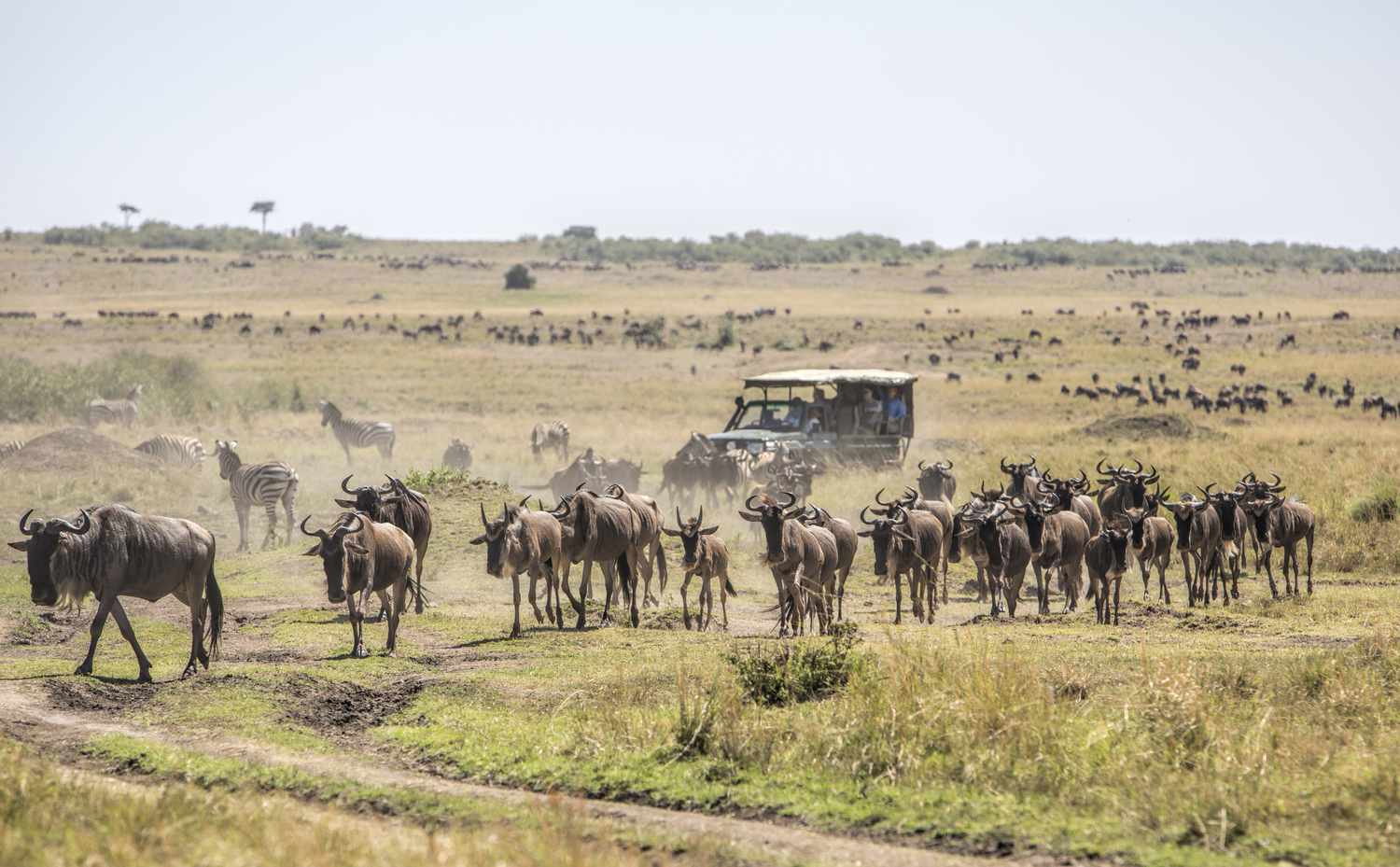
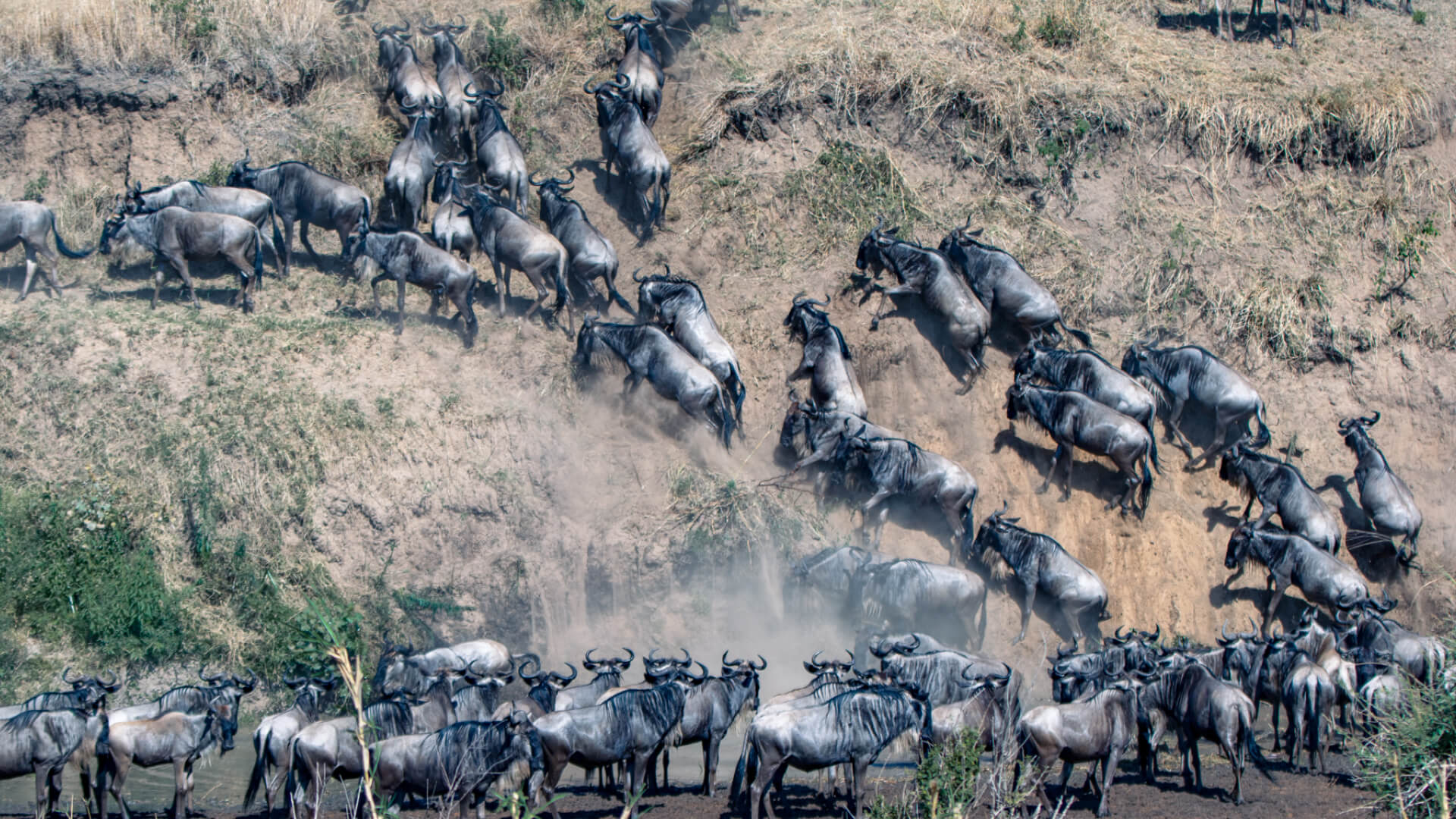
The Masai Mara is globally renowned for its incredible wildlife density and diversity. It forms part of the larger Serengeti ecosystem, allowing animals to move freely across the Kenya-Tanzania border. This connectivity supports one of the most dramatic natural events on Earth—the Great Migration, where millions of wildebeests, zebras, and gazelles traverse the plains in search of greener pastures.
This abundance of wildlife makes the reserve a cornerstone of Kenya Wildlife Safaris. Visitors are almost guaranteed to encounter members of the “Big Five”—lions, elephants, leopards, buffaloes, and rhinos—often within a single day. The Mara’s open landscapes also make it easier to spot animals, enhancing the overall safari experience.
What Activities Can You Enjoy in the Masai Mara?
Game Drives are the primary activity in the Masai Mara and are conducted in the early morning and late afternoon when animals are most active. These drives offer thrilling opportunities to witness hunting scenes, animal interactions, and the daily rhythms of the wild.
Hot air balloon safaris provide a unique perspective, allowing visitors to float above the plains at sunrise and observe wildlife from the sky. This experience often ends with a bush breakfast, adding a touch of luxury to adventure.
Birding is another rewarding activity, with over 450 bird species recorded in the reserve. From colorful lilac-breasted rollers to majestic eagles, birdwatchers can enjoy a diverse avian population throughout the year.
Cultural visits to Maasai villages allow travelers to learn about traditional customs, dances, and ways of life. Guided walking safaris, available in certain conservancies, offer a more intimate exploration of the environment.
What Wildlife and Scenery Can You See?
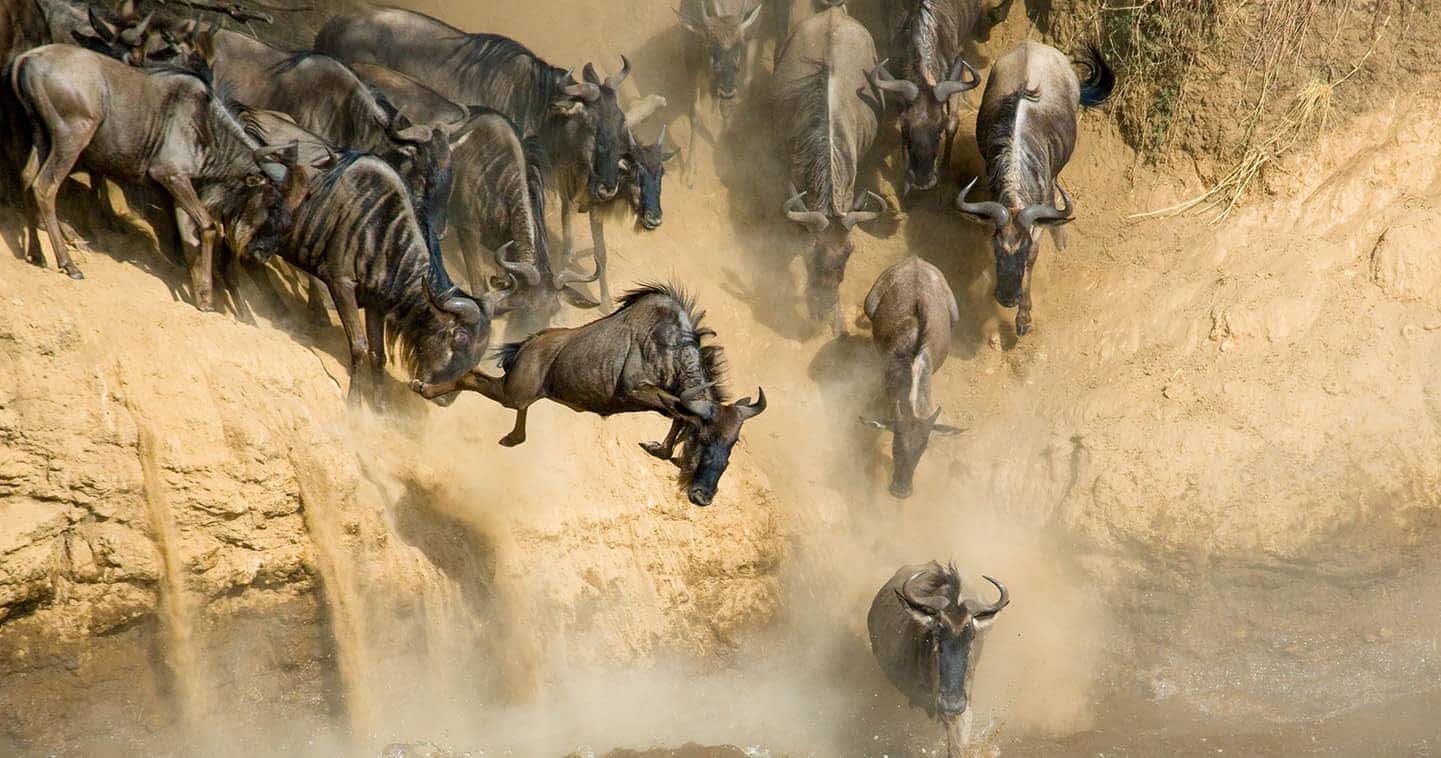
The Masai Mara is a wildlife enthusiast’s paradise. Large prides of lions dominate the plains, while cheetahs and leopards add to the predator diversity. Herds of elephants roam gracefully, and buffaloes graze in large numbers. During the migration season, the landscape comes alive with vast herds of wildebeests and zebras, often accompanied by dramatic river crossings filled with tension and excitement.
The Mara River is a focal point of activity, attracting crocodiles, hippos, and thirsty animals. The reserve’s scenery ranges from open grasslands to riverine forests and rolling hills, creating a visually stunning backdrop for Kenya Safaris.
 When Is the Best Time to Visit for Kenya Best Safaris?
The Masai Mara offers excellent wildlife viewing year-round, but the best time depends on what you want to experience. The dry season, from July to October, coincides with the Great Migration and is considered peak safari season. This is when the famous river crossings occur, drawing visitors from all over the world.
The wet seasons, from November to June, bring lush greenery and fewer crowds. This period is ideal for Birding, as migratory birds arrive and the landscape becomes vibrant and photogenic. Each season offers unique advantages, ensuring that the Masai Mara remains one of Kenya Best Safaris destinations throughout the year.
What Should You Pack for a Masai Mara Safari?
Packing for the Masai Mara requires careful consideration of comfort and practicality. Lightweight clothing in neutral tones is ideal for staying cool and blending into the environment. Early mornings can be chilly, so a warm jacket is recommended.
Essential items include binoculars for wildlife viewing and Birding, sunscreen to protect against the sun, and a hat for shade. Comfortable walking shoes are useful for camp activities, while insect repellent helps guard against bugs.
A good camera with a zoom lens is crucial for capturing wildlife moments. Carry extra batteries, memory cards, and a small backpack for daily excursions. Packing smartly ensures a smooth and enjoyable safari experience.
Where Can You Stay in the Masai Mara?
The Masai Mara offers a wide range of accommodation options, from luxury lodges to budget-friendly camps. High-end lodges provide exceptional comfort, gourmet dining, and stunning views of the savannah. Mid-range tented camps balance comfort with affordability, while budget camps cater to travelers seeking a more economical option.
Private conservancies surrounding the reserve offer exclusive experiences, including fewer crowds and off-road Game Drives. Many accommodations are designed to blend with the environment, providing an immersive experience without compromising sustainability.
Why Choose Gorilla Tours Rwanda for Your Safari?
Gorilla Tours Rwanda offers expertly curated Kenya Safaris that prioritize quality, authenticity, and personalized service. Their team understands the unique appeal of the Masai Mara and designs itineraries that maximize wildlife viewing and cultural experiences.
With knowledgeable guides, well-maintained vehicles, and a commitment to customer satisfaction, Gorilla Tours Rwanda ensures that every journey is seamless and memorable. Whether you are interested in Game Drives, Birding, or photography, they tailor each safari to your interests.
Their focus on responsible tourism also means supporting local communities and conservation efforts, making your trip not only enjoyable but also impactful.
How Does Masai Mara Support Conservation and Local Communities?
The Masai Mara plays a vital role in wildlife conservation and community development. Revenue generated from tourism supports anti-poaching efforts, habitat protection, and research initiatives. Partnerships with local Maasai communities ensure that they benefit from tourism while preserving their cultural heritage.
Community-based conservancies have become an important model for sustainable tourism, balancing economic growth with environmental protection. This approach helps maintain the ecological integrity of the Mara while improving livelihoods.
 Why Should You Include Masai Mara in Your Travel Plans?
The Masai Mara National Reserve offers a safari experience that is both thrilling and enriching. Its extraordinary wildlife, breathtaking landscapes, and cultural depth make it a highlight of Kenya Wildlife Safaris. Whether you are witnessing the Great Migration, enjoying peaceful Birding moments, or embarking on exciting Game Drives, the Mara delivers unforgettable memories.
As one of the top Kenya Best Safaris destinations, it provides something for every traveler—from adventure seekers to nature lovers. With thoughtful preparation and a trusted partner like Gorilla Tours Rwanda, your visit to the Masai Mara can become a truly transformative journey into the wild.