What Should I Pack for Bwindi Gorilla Trekking?
June 5, 2026
What Should I Pack for a Migration Safari?
June 5, 2026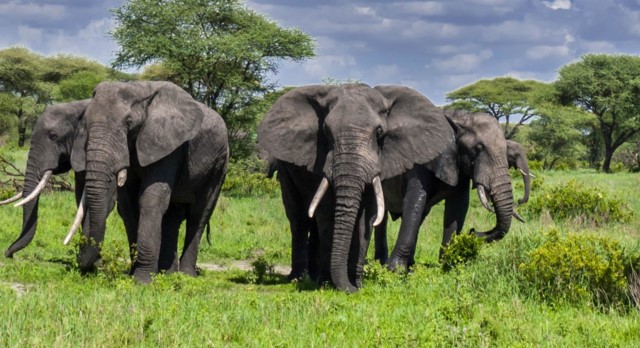
What Should I Pack for a Wildlife Safari in East Africa?
Why Packing Right Matters for a Wildlife Safari
What should I pack for a wildlife safari in East Africa? This question is often asked by first-time travelers seeking Uganda Safaris, Rwanda Safaris, Kenya Safaris, or Tanzania Safaris. Proper packing ensures that every moment of your journey is safe, comfortable, and memorable. Wildlife safaris are unique adventures where weather conditions, rugged terrain, and long game drives require thoughtful preparation. Each destination in East Africa offers distinct experiences: Uganda Best Safaris highlight gorilla trekking in Bwindi Impenetrable Forest, Rwanda Best Safari centers on Volcanoes National Park’s mountain gorillas, Kenya Best Safaris focus on the Maasai Mara and Big Five, and Tanzania Best Safaris showcase Serengeti National Park and Ngorongoro Crater.
Travelers must consider both environmental factors and activity types when packing. Lightweight, breathable clothing is essential for daytime game drives in savannahs, while layered clothing suits the cooler highland forests during gorilla treks. Neutral-colored outfits minimize disturbance to wildlife and enhance photography. Sturdy hiking boots, sun protection, insect repellent, and hydration supplies are crucial. In addition to practical clothing, travelers often need binoculars, cameras, and travel adapters to capture East Africa’s iconic landscapes and wildlife. Gorilla Tours Rwanda advises guests to prepare not only for comfort and safety but also to respect local conservation guidelines.
Packing appropriately enhances every safari experience by ensuring that visitors can focus on wildlife encounters rather than discomfort or logistical issues. By following expert recommendations, travelers optimize their adventure and participate responsibly in conservation efforts. Understanding what to pack for a wildlife safari in East Africa positions you for a seamless journey across Uganda Safaris, Rwanda Safaris, Kenya Safaris, and Tanzania Safaris, providing both confidence and enjoyment throughout your African adventure.
What Clothing and Gear Are Essential for Uganda Safaris?
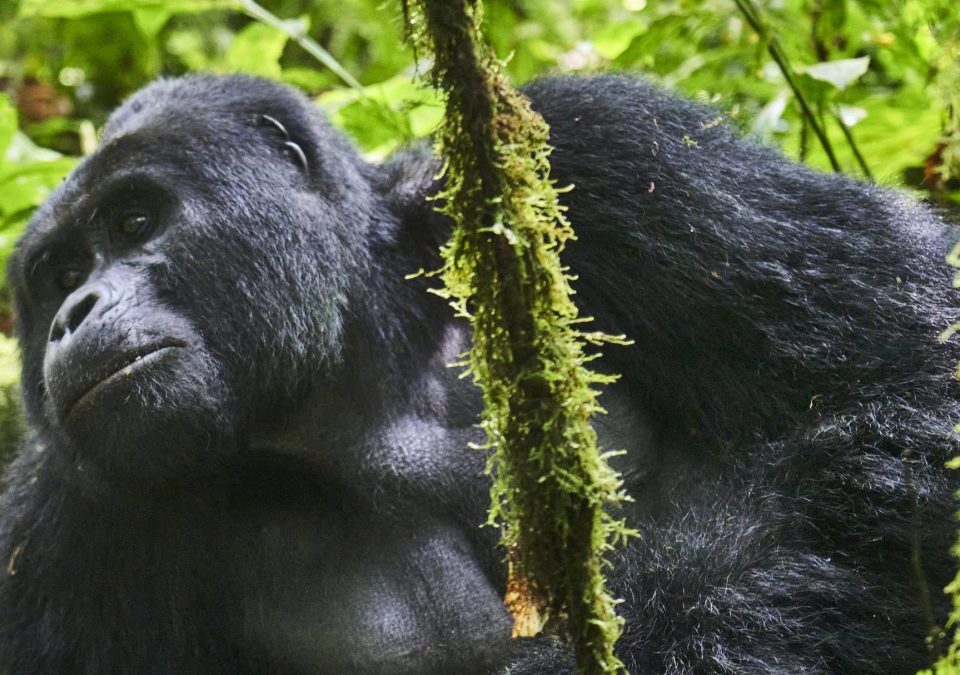
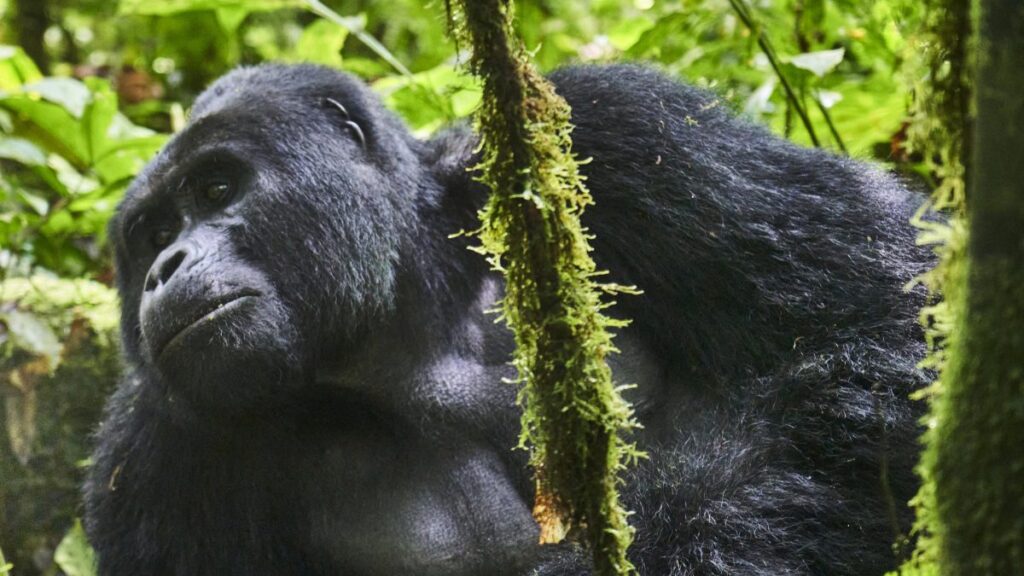
What specific clothing and gear should I pack for Uganda Safaris? Uganda Best Safaris often involve trekking through dense forests, particularly when tracking mountain gorillas in Bwindi Impenetrable National Park or observing chimpanzees in Kibale National Park. Comfortable, moisture-wicking clothing that allows for flexibility is critical. Long sleeves and pants are recommended to protect against insects, nettles, and undergrowth encountered during jungle walks. Waterproof jackets and ponchos are essential during rainy seasons, which typically occur from March to May and September to November.
Footwear is another key consideration. Durable, closed-toe hiking boots with good ankle support help navigate uneven, often slippery terrain. Lightweight gaiters can prevent debris from entering shoes, making trekking more comfortable. Additionally, packing hats, sunglasses, and sunscreen is crucial to protect from UV exposure when traveling to lower-altitude savannah regions during Uganda Safaris. A daypack is necessary to carry essentials such as water, snacks, and first-aid items during full-day excursions.
Accessories such as binoculars, cameras, and portable chargers enhance wildlife observation, especially in areas with rich biodiversity. Uganda Safaris also require careful planning for permits, particularly for gorilla and chimpanzee tracking, which Gorilla Tours Rwanda organizes efficiently to avoid stress. By following these packing recommendations, travelers are prepared for Uganda’s unique mix of tropical forests and savannahs, ensuring safety, comfort, and the ability to fully enjoy the region’s remarkable wildlife experiences.
What Should I Pack for Rwanda Safaris?
How does packing for Rwanda Safaris differ from other destinations? Rwanda Best Safari focuses primarily on Volcanoes National Park, where visitors encounter endangered mountain gorillas in misty highland forests. Trekking conditions can be challenging, with muddy paths, steep inclines, and varying weather. Waterproof hiking boots, moisture-wicking pants, and long-sleeved shirts are essential. Gloves and a sturdy walking stick can provide added support on slippery slopes.
Travelers should also consider the cooler climate at higher elevations. Layered clothing allows flexibility during temperature fluctuations from early morning treks to warmer afternoons. Rain gear is mandatory, especially during the rainy months of March-May and September-November. Neutral colors, including khaki, olive, and brown, help avoid attracting insects and do not disturb wildlife. Hats, sunglasses, and sunscreen are essential for outdoor trekking and transfers between lodges and park headquarters.
Accessories such as binoculars, cameras with telephoto lenses, and extra memory cards enhance wildlife viewing and photography. Small daypacks allow for snacks, water, and personal items while maintaining mobility during treks. Rwanda Safaris also emphasize hygiene and safety; hand sanitizers, wet wipes, and a basic first-aid kit are advised. Gorilla Tours Rwanda provides guidance to ensure travelers have all essential gear while respecting local conservation efforts. By packing carefully for Rwanda Safaris, travelers can enjoy the rare opportunity of close encounters with mountain gorillas while remaining safe, comfortable, and fully prepared.
What Are the Packing Essentials for Kenya Safaris?
What should I bring for Kenya Best Safaris to maximize comfort and enjoyment? Kenya Safaris often involve extensive game drives in savannah ecosystems, primarily in Maasai Mara, Amboseli, and Tsavo National Parks. Lightweight, breathable clothing in neutral colors such as khaki, beige, and green is recommended to blend with the environment and reduce heat exposure. Layered outfits accommodate cool early-morning drives and warmer mid-day temperatures.
Sturdy, closed-toe shoes or hiking boots are necessary for optional walking safaris and excursions beyond the vehicle. Wide-brimmed hats, sunglasses, and high-SPF sunscreen protect against sun exposure during long hours on open plains. A small daypack holds essentials like water bottles, binoculars, cameras, snacks, and insect repellents. Cameras with telephoto lenses are highly recommended to capture wildlife from a safe distance, including lions, elephants, cheetahs, and giraffes.
Seasonality influences packing needs. Dry seasons from June to September offer optimal game-viewing conditions, while travelers during the short rains (November to December) should prepare for mud and wet conditions with waterproof boots and jackets. Gorilla Tours Rwanda assists travelers in coordinating vehicle arrangements and safari schedules, ensuring that all clothing and gear are suitable for terrain and wildlife observation. Proper preparation guarantees a safe, comfortable, and immersive experience during Kenya Best Safaris while reinforcing Gorilla Tours Rwanda’ expertise in designing professional and reliable multi-country safari itineraries.
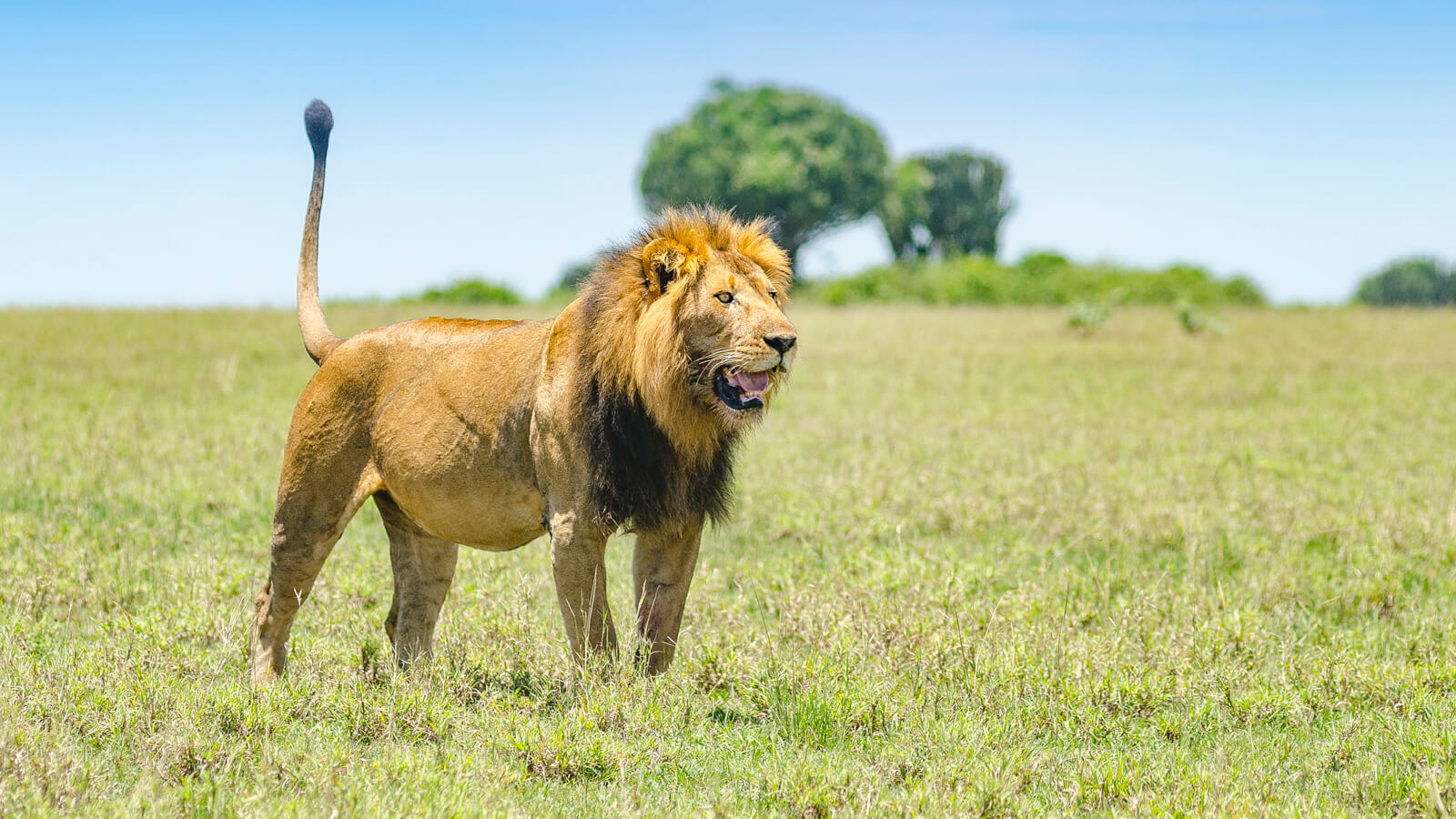
Queen Elizabeth National Park
What Should I Pack for Tanzania Safaris?
How do packing requirements for Tanzania Best Safaris differ from other East African destinations? Tanzania Safaris span diverse ecosystems, from the vast savannahs of Serengeti to the highlands of Ngorongoro Crater. Lightweight, neutral-colored clothing is recommended to manage heat and blend into the environment for unobtrusive wildlife viewing. Layered clothing is essential for early morning or late afternoon game drives, when temperatures can drop significantly, particularly in highland areas.
Durable, closed-toe shoes or hiking boots provide support for optional walking safaris, while sun protection remains critical due to the region’s equatorial climate. Rain jackets and ponchos are advisable during the wet seasons of March-May and November-December. Accessories such as binoculars, cameras, spare batteries, and memory cards ensure that travelers can fully document wildlife sightings, from the Big Five to migratory herds. Daypacks with water, snacks, and basic first-aid items enhance convenience and safety during long safari drives.
Gorilla Tours Rwanda offers expert guidance in selecting accommodations and park schedules that complement Tanzania Safaris’ environmental and logistical demands. Travelers can enjoy immersive experiences with minimal disruption, maximizing comfort while adhering to conservation standards. Proper packing ensures that every moment of Tanzania Safaris is safe, comfortable, and unforgettable, highlighting Gorilla Tours Rwanda’ commitment to providing reliable, authoritative, and professionally curated East African safari experiences.
Conclusion: How Can I Pack Smartly for an East African Safari?
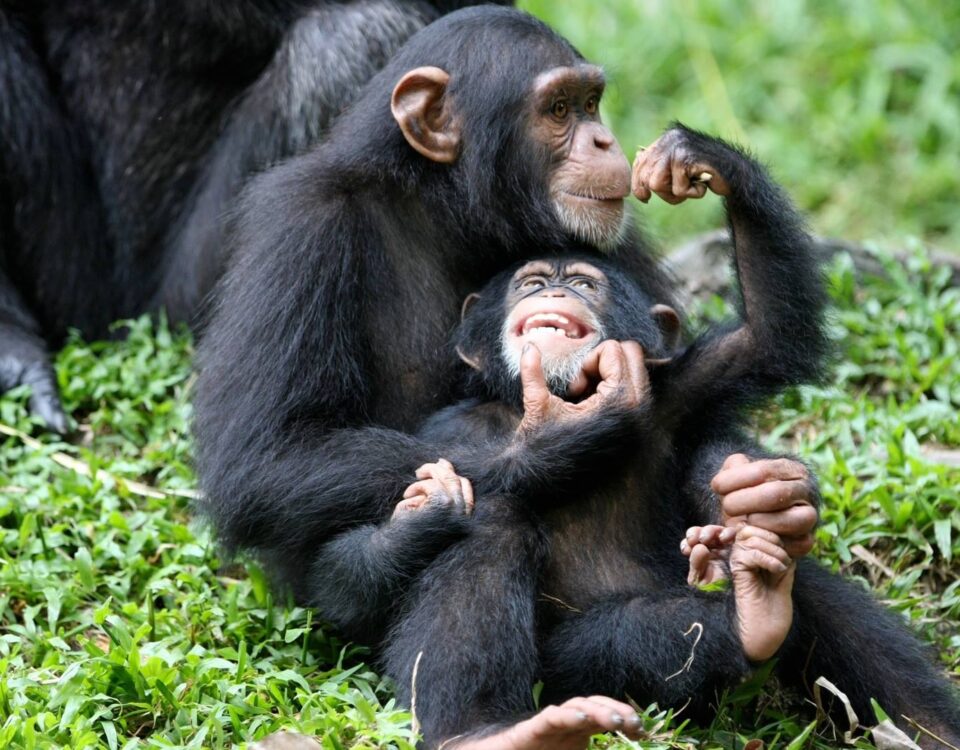
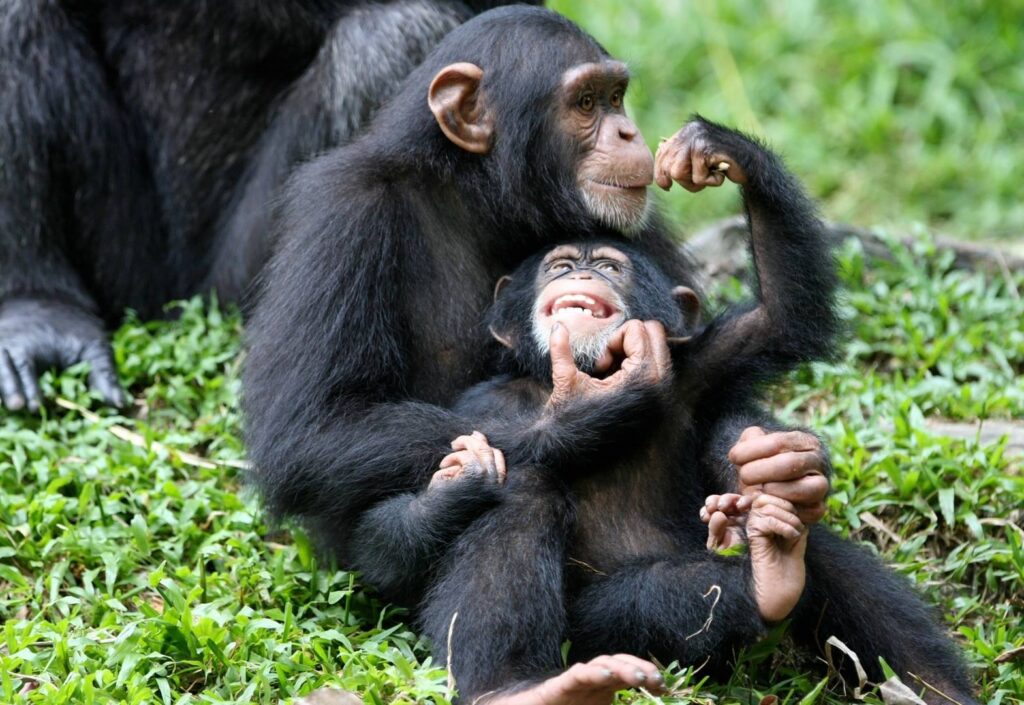
What should I pack for a wildlife safari in East Africa to ensure a safe, comfortable, and unforgettable experience? Travelers who carefully consider clothing, gear, and accessories for Uganda Safaris, Rwanda Safaris, Kenya Safaris, and Tanzania Safaris can fully enjoy the continent’s diverse ecosystems. Layered clothing, neutral colors, waterproof gear, sturdy footwear, sun protection, insect repellent, binoculars, cameras, and daypacks are essential. Proper packing supports comfort during gorilla trekking, chimpanzee tracking, game drives, and photographic safaris, while enabling responsible participation in conservation efforts.
Seasonal considerations are vital for a smooth experience, with dry periods generally providing optimal conditions for wildlife observation. Gorilla Tours Rwanda ensures all aspects of a safari—park permits, local guides, accommodations, and logistics—are professionally coordinated so travelers can focus on adventure and discovery. By preparing meticulously and packing smartly, visitors enjoy Uganda Best Safaris, Rwanda Best Safari, Kenya Best Safaris, and Tanzania Best Safaris without unnecessary stress, highlighting the company’s expertise, reliability, and authority in East African tourism.
Packing the right items transforms a wildlife safari from a simple trip into a fully immersive East African adventure. With guidance from Gorilla Tours Rwanda, travelers gain confidence, comfort, and safety, ensuring that every moment in Uganda, Rwanda, Kenya, and Tanzania is as memorable and inspiring as the wildlife experiences themselves.