Can Elderly Travelers Trek Gorillas?
May 31, 2026
Are Vaccinations Required for Uganda and Rwanda Safaris?
May 31, 2026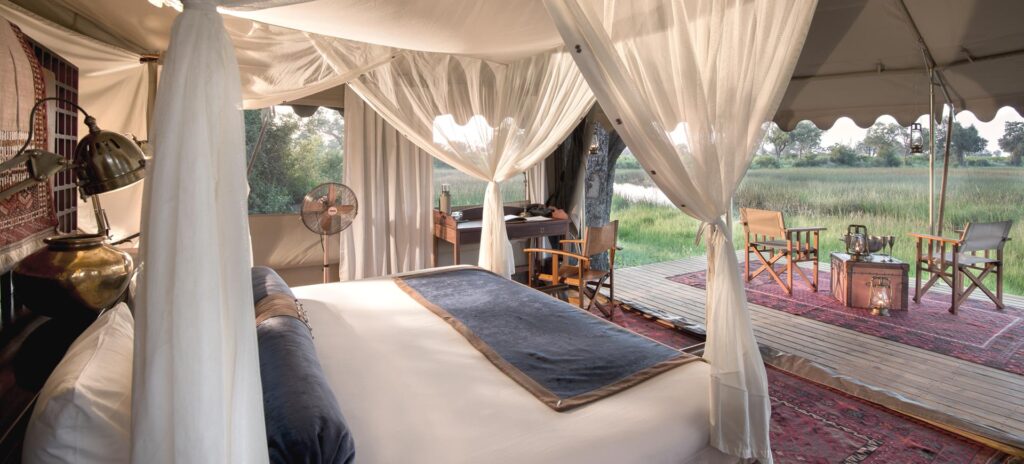
Is Malaria Present in Uganda and Rwanda During Gorilla Trekking?
Is malaria present in Uganda and Rwanda during gorilla trekking? This is one of the most important health-related questions asked by travelers planning unforgettable Gorilla Safaris in East Africa. Uganda Safaris and Rwanda Safaris are widely recognized for offering some of the most extraordinary wildlife encounters in the world, especially the chance to observe endangered mountain gorillas in their natural rainforest habitat. However, because these destinations lie within tropical regions of Africa, understanding malaria risk and prevention is an essential part of responsible travel planning.
Malaria is present in both Uganda and Rwanda, although the level of risk varies depending on altitude, season, and specific travel locations. Gorilla trekking destinations such as Bwindi Impenetrable Forest and Mgahinga Gorilla National Park in Uganda, as well as Volcanoes National Park in Rwanda, are located in higher altitude regions where malaria transmission risk is generally lower compared to lowland areas. Nevertheless, the possibility of exposure still exists, and travelers are strongly advised to take preventive measures before and during their Gorilla Safaris.
Across Uganda Best Safari and Rwanda Best Safaris experiences, health and safety are considered top priorities by tour operators and wildlife authorities. Visitors are encouraged to consult healthcare professionals before travel to obtain recommended antimalarial medication and to follow preventive practices such as using insect repellent, wearing protective clothing, and sleeping in mosquito-proof accommodations.
Gorilla Tours Rwanda ensures that all travelers receive clear pre-travel health guidance, including updated information on malaria risk areas, recommended precautions, and safety practices. By combining responsible travel planning with expert advice, visitors can fully enjoy their Gorilla Safaris while minimizing health risks.
For travelers asking Is malaria present in Uganda and Rwanda during gorilla trekking?, the answer is yes, but with proper preparation and awareness, the risk can be effectively managed, allowing for a safe and unforgettable safari experience.
What Is the Malaria Risk in Uganda Safaris During Gorilla Trekking?
When exploring Is malaria present in Uganda and Rwanda during gorilla trekking?, Uganda Safaris provide a clear example of how malaria risk varies across different ecological zones. Uganda is a tropical country with diverse landscapes, including savannahs, wetlands, and high-altitude rainforests. Malaria transmission is more common in lowland and lake regions, while gorilla trekking areas such as Bwindi Impenetrable Forest and Mgahinga Gorilla National Park are located at higher elevations where mosquito populations are reduced.
Uganda Best Safari experiences in gorilla trekking regions are generally considered to have moderate to low malaria risk compared to other parts of the country. However, the risk is not completely eliminated, and travelers are still advised to take preventive precautions. The presence of mosquitoes in forested environments means that protection measures remain essential throughout the journey.
One of the most effective ways to manage malaria risk during Uganda Safaris is the use of prescribed antimalarial medication recommended by a healthcare professional before travel. This preventive approach significantly reduces the likelihood of infection even if exposure occurs.
Additional safety measures include wearing long-sleeved clothing during early morning and evening hours, applying mosquito repellent regularly, and choosing accommodations that provide mosquito nets or treated sleeping environments. Many safari lodges in gorilla trekking regions are well-equipped with these protective features to ensure guest safety and comfort.
Health awareness is also integrated into Uganda Safaris through responsible tour operators who provide pre-departure briefings on malaria prevention. These guidelines help travelers prepare adequately and enjoy their Gorilla Safaris with confidence.
For those asking Is malaria present in Uganda and Rwanda during gorilla trekking?, Uganda demonstrates that while malaria exists, careful planning and preventive care make the experience safe and manageable.
How Does Rwanda Manage Malaria Risk for Gorilla Safaris?
Travelers researching Is malaria present in Uganda and Rwanda during gorilla trekking? will find that Rwanda Safaris operate in a similar tropical environment where malaria is present but manageable with proper precautions. Rwanda is known for its clean environment, well-organized tourism systems, and strong public health initiatives, which contribute to effective malaria control measures.
Volcanoes National Park, the primary destination for Rwanda Best Safaris involving gorilla trekking, is located in a high-altitude region where malaria transmission risk is relatively lower than in lowland areas. However, because Rwanda is still a tropical country, travelers must remain cautious and follow recommended health guidelines.
Rwanda Safaris emphasize preventive health practices as part of responsible tourism. Visitors are encouraged to consult medical professionals before travel to obtain appropriate antimalarial medication. This precaution is widely recognized as one of the most effective ways to reduce malaria risk during Gorilla Safaris.
Accommodation facilities around Volcanoes National Park are also designed with guest safety in mind. Many lodges provide mosquito nets, insect-repellent services, and environmentally controlled sleeping areas that minimize exposure risks. These measures contribute to a safer and more comfortable safari experience.
In addition, Rwanda’s strong tourism infrastructure ensures that travelers receive accurate and timely health information. Safari operators often provide guidance on malaria prevention, ensuring that guests are well-prepared before embarking on trekking activities.
For travelers asking Is malaria present in Uganda and Rwanda during gorilla trekking?, Rwanda shows that with proper health awareness and preventive strategies, Gorilla Safaris can be safely enjoyed even in malaria-prone regions.
What Precautions Should Travelers Take Against Malaria During Gorilla Safaris?
Understanding Is malaria present in Uganda and Rwanda during gorilla trekking? also involves knowing how to minimize risk effectively. Both Uganda Safaris and Rwanda Safaris recommend a combination of medical, behavioral, and environmental precautions to ensure traveler safety.
The most important preventive measure is the use of antimalarial medication prescribed by a healthcare provider. This medication helps protect travelers before, during, and after exposure to malaria-prone environments, significantly reducing the risk of infection.
Protective clothing is another essential precaution during Gorilla Safaris. Wearing long-sleeved shirts, long trousers, and closed shoes helps reduce mosquito bites, especially during early morning and evening hours when mosquitoes are most active.
Insect repellent is also highly recommended. Applying repellent containing effective active ingredients helps deter mosquitoes during outdoor activities, including trekking through forested areas in Uganda Best Safari and Rwanda Best Safaris experiences.
Sleeping arrangements play an important role in malaria prevention. Many safari lodges provide treated mosquito nets and enclosed sleeping environments that reduce exposure risks during the night.
Avoiding stagnant water areas and minimizing outdoor exposure during peak mosquito activity times further enhances safety. Safari guides and tour operators also provide practical advice on how to stay protected throughout the journey.
For travelers asking Is malaria present in Uganda and Rwanda during gorilla trekking?, these combined precautions ensure that risk remains manageable while maintaining a safe and enjoyable safari experience.
When Is the Best Time for This Safari?
Travelers interested in Is malaria present in Uganda and Rwanda during gorilla trekking? often also ask about the best time for Gorilla Safaris. Gorilla trekking is available throughout the year in both Uganda and Rwanda because mountain gorillas live in stable forest habitats regardless of season.
The dry seasons from June to September and December to February are generally considered the most favorable periods for Uganda Safaris and Rwanda Safaris due to easier trekking conditions and reduced humidity levels.
Wet seasons, while more challenging in terms of terrain, offer lush green landscapes, fewer tourists, and equally rewarding gorilla encounters. Since Gorilla Safaris operate year-round, travelers can choose travel dates based on comfort and personal preference.
Why Choose Gorilla Tours Rwanda for This Particular Safari?
When considering Is malaria present in Uganda and Rwanda during gorilla trekking?, choosing an experienced safari operator is essential for ensuring proper health guidance and safe travel planning. Gorilla Tours Rwanda specializes in professionally organized Gorilla Safaris across Uganda Safaris and Rwanda Safaris with a strong focus on traveler safety and well-being.
Our team provides detailed pre-travel health information, including malaria prevention advice tailored to each destination. Every Uganda Best Safari and Rwanda Best Safaris itinerary is carefully designed to ensure that guests are well-informed and well-prepared before arrival.
Unlike standard tour operators, Gorilla Tours Rwanda prioritizes responsible tourism, expert guidance, and personalized support throughout the safari journey. We work closely with travelers to ensure they understand all health requirements and safety recommendations.
Through our commitment to excellence and destination expertise, we transform Gorilla Safaris into safe, educational, and unforgettable experiences. For travelers asking Is malaria present in Uganda and Rwanda during gorilla trekking?, Gorilla Tours Rwanda provides not only clear answers but also expertly guided journeys that prioritize both adventure and health safety in East Africa.