Can Visitors Support Conservation Efforts?
May 30, 2026
Can I Combine Gorilla Trekking With Other Safaris?
May 30, 2026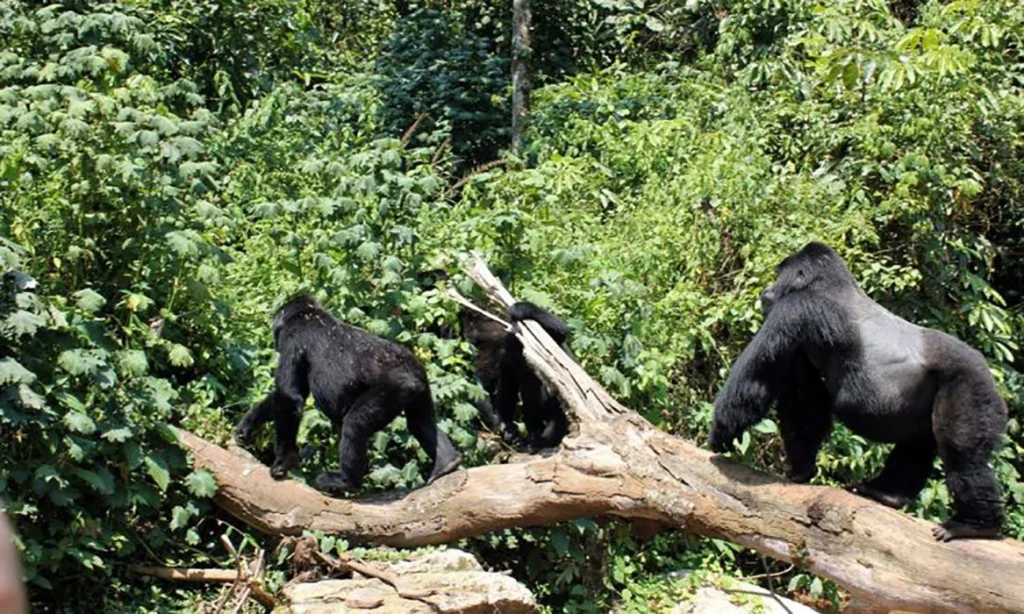
What Conservation Challenges Do Gorillas Face?
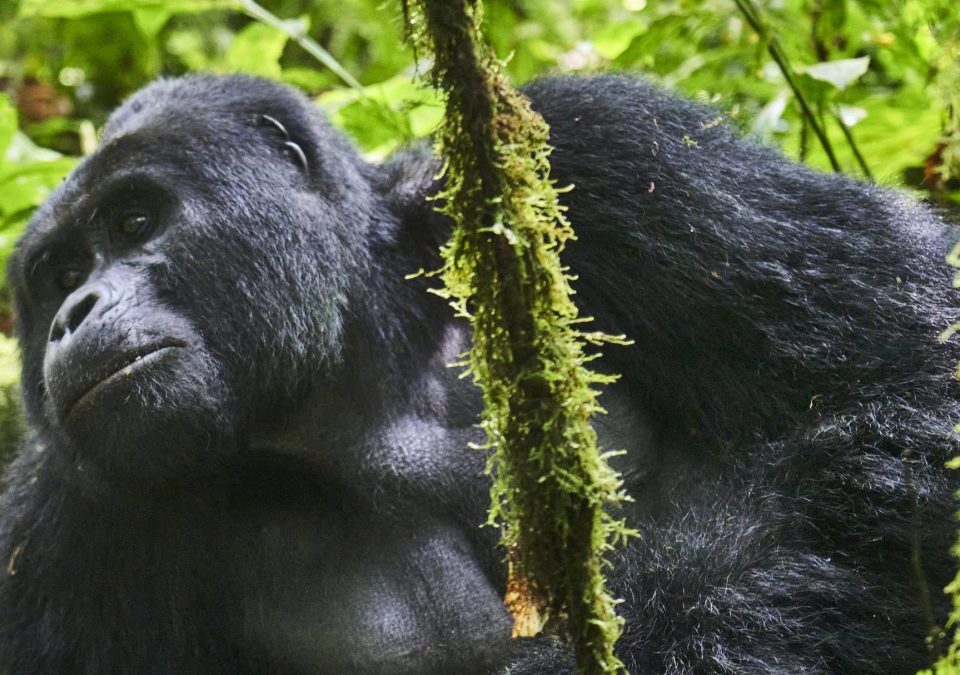
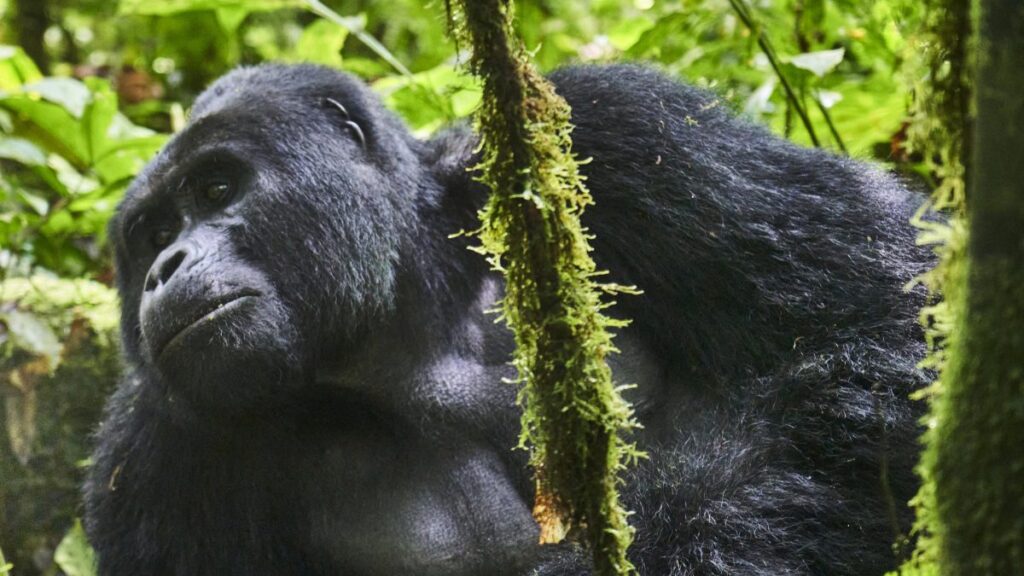
What conservation challenges do gorillas face? This is one of the most important questions in modern wildlife tourism, especially for travelers exploring Gorilla Safaris in East Africa. Mountain gorillas, found primarily in Rwanda Safaris destinations such as Volcanoes National Park and Uganda Safaris destinations like Bwindi Impenetrable National Park, are among the world’s most endangered primates. Their survival depends on carefully managed ecosystems, strong conservation policies, and responsible tourism practices that directly support Rwanda Best Safaris and Uganda Best Safari experiences.
Despite significant conservation progress over recent decades, gorillas continue to face a range of environmental, biological, and human-related challenges. Habitat loss remains one of the most critical threats as expanding human populations place pressure on forest boundaries. Additionally, disease transmission from humans to gorillas, illegal activities such as poaching, and climate-related changes continue to impact their long-term survival. These challenges make Gorilla Safaris not only a tourism experience but also a vital conservation tool that contributes to the protection of these magnificent animals.
Across East Africa, conservation programs integrate tourism revenue into wildlife protection strategies. Every gorilla trekking permit purchased during Rwanda Safaris or Uganda Safaris helps fund anti-poaching patrols, veterinary interventions, community outreach, and habitat restoration initiatives. As a result, responsible tourism has become a cornerstone of gorilla conservation success.
Furthermore, education plays a key role in addressing conservation challenges. Visitors participating in Gorilla Safaris gain firsthand understanding of the difficulties gorillas face in their natural environment. This awareness fosters global support for conservation initiatives and encourages sustainable travel behavior. Therefore, the question “What conservation challenges do gorillas face?” highlights both the threats to gorillas and the essential role that tourism plays in ensuring their survival for future generations.
How Does Habitat Loss Affect Gorillas in Volcanoes National Park?
What conservation challenges do gorillas face in Rwanda Safaris destinations such as Volcanoes National Park? Habitat loss remains one of the most significant threats to mountain gorillas in this region. Located within the Virunga volcanic range, Volcanoes National Park is surrounded by densely populated communities that rely heavily on land for agriculture, settlement, and livestock grazing.
As human populations expand, forest boundaries are increasingly pressured, leading to habitat fragmentation. This reduces the available living space for gorilla families and can restrict their natural movement patterns. Consequently, conservation authorities must carefully balance human development needs with wildlife protection efforts.
Rwanda Best Safaris play a crucial role in addressing these challenges by generating revenue that supports forest conservation and community development programs. Tourism income helps fund reforestation projects, buffer zone management, and alternative livelihood initiatives for communities living near the park. These efforts reduce dependence on forest resources and promote sustainable coexistence between humans and wildlife.
Additionally, strict national park regulations ensure that forest habitats remain protected from illegal encroachment. Rangers and conservation teams conduct regular patrols to monitor forest boundaries and prevent unauthorized land use. Visitors participating in Gorilla Safaris indirectly support these protection efforts through permit fees and responsible tourism practices.
Moreover, environmental education programs conducted in surrounding communities help raise awareness about the importance of preserving gorilla habitats. These initiatives encourage local participation in conservation and strengthen long-term protection strategies. Therefore, Volcanoes National Park demonstrates how Rwanda Safaris contribute directly to mitigating habitat loss and ensuring the survival of mountain gorillas.
What Threats Do Gorillas Face in Bwindi Impenetrable National Park?
What conservation challenges do gorillas face in Uganda Safaris destinations such as Bwindi Impenetrable National Park? This UNESCO World Heritage Site presents a complex conservation environment where mountain gorillas live in one of the most biologically rich yet human-impacted forests in Africa. While conservation efforts have been highly successful, several ongoing threats continue to require attention.
Poaching remains a historical challenge, although it has significantly declined due to strengthened protection measures. However, accidental snaring intended for other wildlife can still pose risks to gorillas. Conservation teams actively patrol the forest to remove traps and protect gorilla families from harm.
Another challenge involves disease transmission, particularly from humans to gorillas. Because mountain gorillas share close genetic similarities with humans, they are highly vulnerable to common illnesses. Strict guidelines during Gorilla Safaris, such as maintaining distance and wearing masks, help reduce this risk.
Furthermore, human-wildlife interaction at forest edges can sometimes lead to crop raiding incidents, creating tension between local communities and wildlife conservation efforts. Uganda Best Safari programs address this issue through community engagement, compensation schemes, and education initiatives that promote coexistence.
Tourism revenue generated from Uganda Safaris plays a critical role in supporting conservation activities. Funds are used for ranger salaries, veterinary care, research programs, and community development projects that reduce pressure on forest resources. As a result, Bwindi Impenetrable National Park remains a global model for successful gorilla conservation despite ongoing challenges.
How Do Disease and Climate Change Impact Gorilla Populations?
What conservation challenges do gorillas face beyond habitat loss and poaching? Disease and climate change represent increasingly significant threats to mountain gorilla survival in both Rwanda Safaris and Uganda Safaris regions. Because gorillas share close biological similarities with humans, they are highly susceptible to respiratory infections and other transmissible diseases.
Even minor human illnesses can have serious consequences for gorilla populations, particularly in small, isolated groups. For this reason, strict health regulations are enforced during Gorilla Safaris, including limited visitation time, minimum distance requirements, and hygiene protocols. These measures are essential for protecting gorilla health and ensuring sustainable tourism practices.
Climate change also poses long-term risks by altering forest ecosystems and affecting food availability. Changes in rainfall patterns can influence vegetation growth, potentially impacting gorilla feeding behavior and movement patterns. As ecosystems shift, conservation authorities must continuously monitor environmental changes to adapt protection strategies.
Rwanda Best Safaris and Uganda Best Safari experiences contribute to addressing these challenges by funding scientific research and ecological monitoring programs. These initiatives help conservationists understand how gorillas respond to environmental changes and develop strategies to mitigate negative impacts.
Additionally, global awareness generated through Gorilla Safaris encourages international support for climate action and wildlife conservation. Visitors who experience gorilla trekking firsthand often become advocates for environmental protection, further extending the impact of conservation efforts beyond East Africa.
What Role Do Humans Play in Gorilla Conservation Challenges?
What conservation challenges do gorillas face due to human influence? Human activity remains both a challenge and a solution in gorilla conservation. While population growth, land use changes, and historical hunting practices have contributed to pressure on gorilla habitats, modern conservation efforts have transformed humans into key protectors of these endangered primates.
Local communities living near Rwanda Safaris and Uganda Safaris destinations play a critical role in conservation success. Through employment in tourism, participation in community projects, and involvement in conservation programs, communities have become active partners in protecting gorillas.
Gorilla Safaris themselves represent a powerful conservation tool. Revenue generated from tourism directly supports wildlife protection, infrastructure development, and community welfare. This creates a positive feedback loop where conservation success benefits both wildlife and people.
Education and awareness also play a vital role in addressing human-related challenges. Visitors participating in Rwanda Best Safaris and Uganda Best Safari experiences gain a deeper understanding of conservation issues and often become long-term supporters of wildlife protection initiatives.
Therefore, human involvement remains central to both the challenges and solutions in gorilla conservation, highlighting the importance of responsible tourism and sustainable development.
When Is the Best Time for This Safari?
What conservation challenges do gorillas face throughout the year? These challenges remain consistent regardless of season, meaning Gorilla Safaris operate year-round in both Rwanda Safaris and Uganda Safaris destinations.
Dry seasons from June to September and December to February provide favorable trekking conditions for Rwanda Best Safaris and Uganda Best Safari experiences. However, rainy seasons offer lush environments and important ecological cycles that support gorilla habitats.
Since conservation efforts continue throughout the year, every safari season contributes to gorilla protection and ecosystem stability.
Why Choose Gorilla Tours Rwanda for This Particular Safari?
What conservation challenges do gorillas face when tourism is managed responsibly? Gorilla Tours Rwanda ensures that every Gorilla Safari directly supports conservation efforts while delivering exceptional travel experiences.
Extensive expertise in Rwanda Safaris and Uganda Safaris allows Gorilla Tours Rwanda to design itineraries that prioritize sustainability, education, and wildlife protection. Each journey is carefully structured to minimize environmental impact while maximizing conservation awareness.
Professional guides provide in-depth knowledge about gorilla behavior, conservation challenges, and rainforest ecosystems, transforming Rwanda Best Safaris and Uganda Best Safari experiences into meaningful educational journeys.
Strong partnerships with conservation organizations and local communities ensure that tourism revenue contributes directly to wildlife protection and sustainable development initiatives.
Ultimately, Gorilla Tours Rwanda transforms the question “What conservation challenges do gorillas face?” into an opportunity for travelers to actively participate in protecting one of the world’s most endangered species through responsible Gorilla Safaris in East Africa.