Can I Visit Both Uganda and Rwanda on One Trip?
May 30, 2026
What Conservation Challenges Do Gorillas Face?
May 30, 2026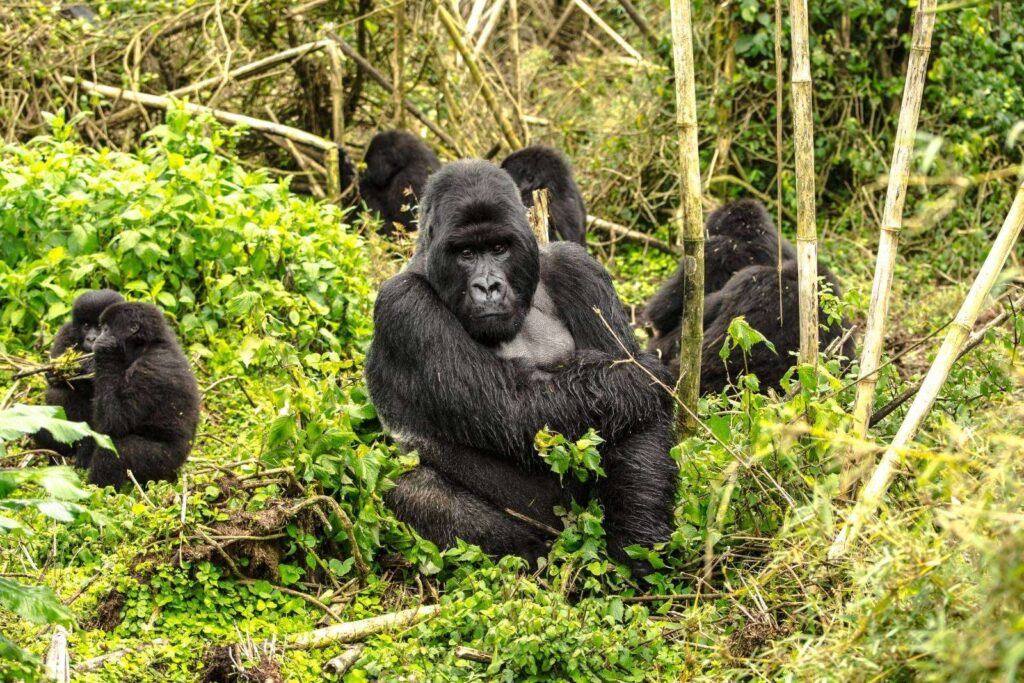
Can Visitors Support Conservation Efforts?
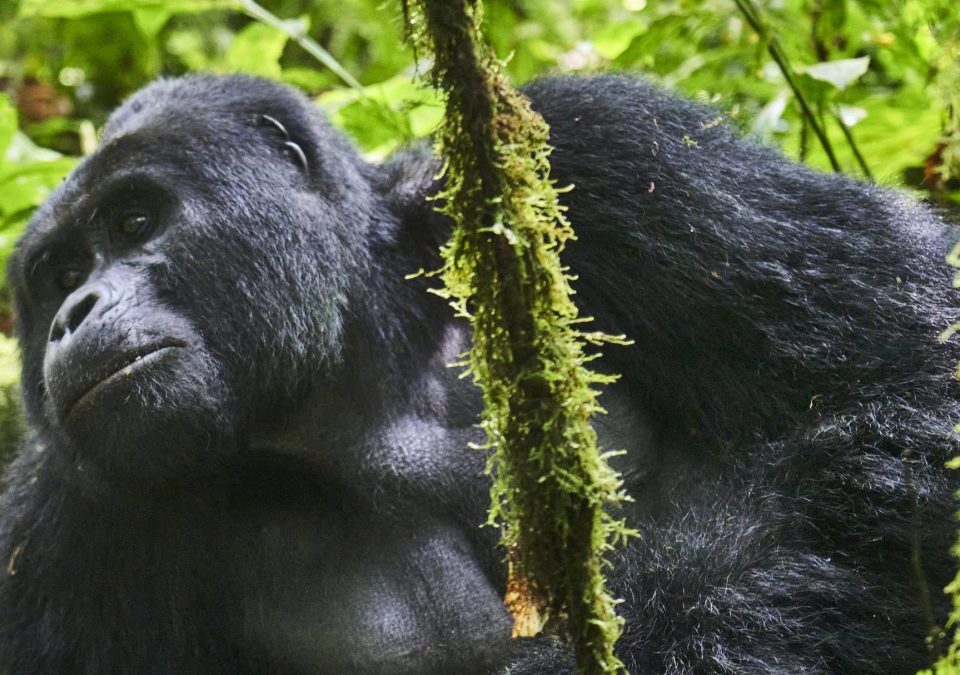
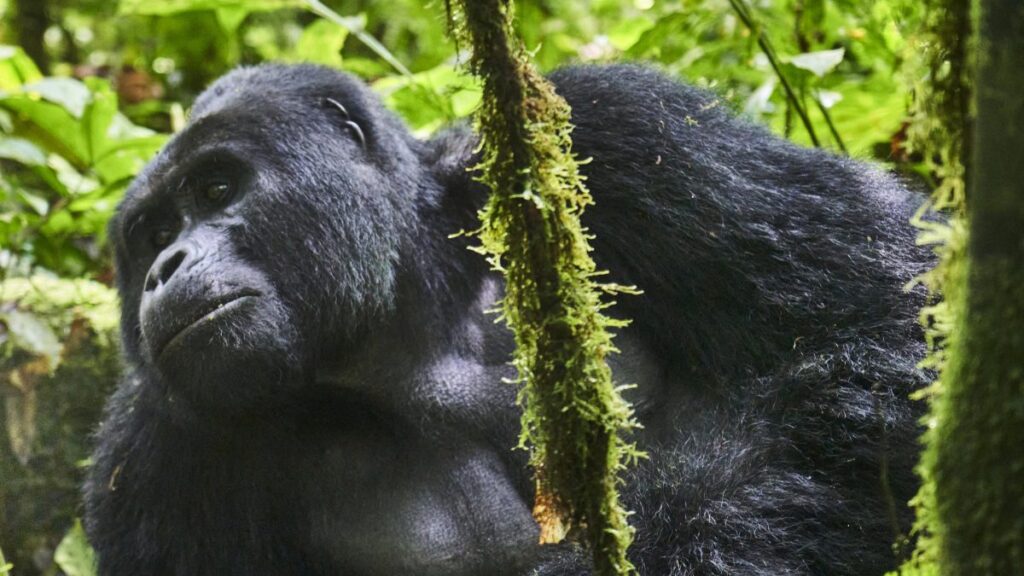
Can visitors support conservation efforts while enjoying unforgettable Gorilla Safaris in East Africa? The answer is a confident yes, and this support forms one of the most meaningful aspects of travel to Rwanda Safaris and Uganda Safaris destinations. Tourism in Rwanda and Uganda is not only about wildlife viewing but also about active participation in protecting endangered mountain gorillas and preserving fragile ecosystems that support biodiversity across the region. Every visitor contributes directly or indirectly to conservation success through permit fees, community engagement programs, responsible tourism practices, and sustainable safari choices.
Across Volcanoes National Park in Rwanda and Bwindi Impenetrable National Park in Uganda, conservation efforts are deeply integrated into the tourism experience. Gorilla trekking permits generate essential revenue that funds anti-poaching patrols, habitat protection, scientific research, and ranger welfare. As a result, Rwanda Best Safaris and Uganda Best Safari experiences play a critical role in sustaining long-term conservation strategies. Without tourism, gorilla populations would face greater threats from habitat loss and illegal activities, making responsible travel a powerful tool for wildlife preservation.
Beyond financial contributions, visitors also support conservation through awareness and education. Guided Gorilla Safaris offer opportunities to learn about gorilla behavior, ecological balance, and the importance of protecting rainforest ecosystems. Professional guides and conservation rangers share detailed insights that help travelers understand how their presence positively impacts wildlife survival. This educational experience transforms tourism into a conservation-driven journey.
Additionally, eco-conscious travel behavior such as following trekking rules, minimizing environmental impact, and respecting wildlife boundaries further strengthens conservation efforts. Therefore, the question “Can visitors support conservation efforts?” highlights the essential connection between tourism and environmental protection in East Africa’s most iconic gorilla destinations.
How Do Rwanda Safaris Contribute to Gorilla Conservation in Volcanoes National Park?
Can visitors support conservation efforts through Rwanda Safaris in Volcanoes National Park? Rwanda has become a global leader in conservation-focused tourism, with gorilla trekking serving as a central pillar of its environmental strategy. Located in the Virunga Mountains, Volcanoes National Park protects a significant population of mountain gorillas whose survival depends heavily on sustainable tourism funding.
Within this protected ecosystem, every Gorilla Safari contributes directly to conservation programs managed by Rwanda Development Board and partner organizations. Permit revenues are reinvested into anti-poaching units, forest restoration initiatives, and community development projects surrounding the park. This system ensures that Rwanda Best Safaris not only provide unforgettable wildlife experiences but also generate long-term benefits for conservation.
Moreover, Rwanda Safaris incorporate strict trekking regulations designed to protect gorilla health and minimize human impact. Visitors are required to maintain safe distances, avoid direct contact, and follow guidance from trained rangers. These measures ensure that gorillas remain undisturbed while allowing tourists to observe natural behaviors in their habitat.
Equally important, Rwanda has invested heavily in community-based tourism programs that connect local populations with conservation goals. Communities near Volcanoes National Park benefit from employment opportunities, revenue sharing, and infrastructure development funded by tourism. This approach reduces human-wildlife conflict and encourages long-term protection of gorilla habitats.
Consequently, Volcanoes National Park stands as a powerful example of how Rwanda Safaris contribute to global conservation efforts. Travelers who participate in Gorilla Safaris here become active stakeholders in protecting one of the world’s most endangered species, making their journey both meaningful and impactful.
How Do Uganda Safaris Strengthen Conservation in Bwindi Impenetrable National Park?
Can visitors support conservation efforts through Uganda Safaris in Bwindi Impenetrable National Park? Uganda has developed one of Africa’s most successful conservation models, where tourism plays a vital role in protecting mountain gorillas and their rainforest habitat. Bwindi Impenetrable National Park, a UNESCO World Heritage Site, is home to nearly half of the world’s remaining mountain gorillas, making conservation efforts here critically important.
Through Uganda Best Safari experiences, gorilla trekking permits generate substantial funding that supports park management, ranger operations, and anti-poaching initiatives. These financial resources are essential for maintaining secure habitats and ensuring the survival of gorilla populations. As a result, Uganda Safaris contribute significantly to global biodiversity conservation.
Inside Bwindi, trained guides and conservation rangers lead every Gorilla Safari with strict adherence to ecological protection standards. Visitors are educated about gorilla behavior, forest ecosystems, and responsible tourism practices. This educational component enhances awareness and encourages long-term support for conservation initiatives beyond the safari experience.
Additionally, Uganda has implemented community-based conservation programs that integrate local populations into tourism development. Communities surrounding Bwindi benefit from revenue-sharing schemes, employment opportunities, and sustainable livelihood projects. These initiatives reduce dependence on forest resources and promote coexistence between humans and wildlife.
Furthermore, research and monitoring programs supported by tourism revenue help scientists track gorilla health, behavior, and population growth. These efforts ensure that Uganda Best Safari experiences contribute directly to scientific knowledge and conservation success. Therefore, Uganda Safaris demonstrate how tourism can serve as a powerful tool for environmental protection and sustainable development.
What Role Do Travelers Play in Supporting Gorilla Conservation?
Can visitors support conservation efforts simply by participating in Gorilla Safaris? Absolutely. Every traveler who visits Rwanda Safaris or Uganda Safaris destinations plays a direct role in protecting mountain gorillas and their habitats. The most immediate contribution comes through permit fees, which are carefully allocated to conservation authorities responsible for wildlife protection and park management.
Beyond financial contributions, responsible visitor behavior is equally important. Following trekking guidelines, respecting wildlife boundaries, and minimizing environmental impact all contribute to sustainable tourism practices. These actions help ensure that Gorilla Safaris remain safe for both visitors and animals.
Furthermore, travelers support conservation by raising global awareness. After experiencing Rwanda Best Safaris or Uganda Best Safari adventures, many visitors share their stories, photographs, and educational insights with international audiences. This advocacy helps promote conservation awareness and encourages others to support ethical wildlife tourism.
In addition, choosing eco-friendly tour operators plays a significant role in conservation impact. Companies that prioritize sustainability, community engagement, and ethical guiding practices ensure that tourism benefits both wildlife and local populations. Therefore, informed travel decisions significantly enhance conservation outcomes.
Ultimately, the question “Can visitors support conservation efforts?” highlights the powerful role of tourism in protecting endangered species. Every Gorilla Safari becomes part of a larger global effort to preserve mountain gorillas for future generations.
When Is the Best Time for This Safari?
Can visitors support conservation efforts throughout the year? Yes, conservation-driven Gorilla Safaris operate year-round in both Rwanda Safaris and Uganda Safaris destinations. Mountain gorillas remain in protected habitats regardless of season, ensuring consistent conservation activities and tourism contributions.
Dry seasons from June to September and December to February are ideal for Rwanda Best Safaris and Uganda Best Safari experiences due to easier trekking conditions. However, rainy seasons offer lush vegetation, fewer visitors, and enhanced ecological experiences.
Since conservation efforts continue throughout the year, every safari season contributes equally to gorilla protection and habitat preservation.
Why Choose Gorilla Tours Rwanda for This Particular Safari?
Can visitors support conservation efforts effectively through Gorilla Tours Rwanda? Yes, because Gorilla Tours Rwanda is committed to delivering Gorilla Safaris that prioritize conservation, community empowerment, and sustainable tourism.
Extensive expertise in Rwanda Safaris and Uganda Safaris ensures that every itinerary is designed with environmental responsibility at its core. Each journey is carefully structured to maximize wildlife experiences while minimizing ecological impact.
Professional guides employed by Gorilla Tours Rwanda are trained in conservation education, allowing travelers to gain deeper understanding of gorilla protection efforts and rainforest ecosystems. This knowledge transforms Rwanda Best Safaris and Uganda Best Safari experiences into meaningful conservation journeys.
Strong partnerships with local communities and conservation authorities ensure that tourism revenue directly supports wildlife protection and sustainable development initiatives. Gorilla Tours Rwanda actively contributes to long-term conservation success.
Ultimately, travelers choosing Gorilla Tours Rwanda become active participants in answering the question “Can visitors support conservation efforts?” through responsible travel, ethical tourism practices, and unforgettable Gorilla Safaris in East Africa.